
• Cleanroom Equipment for Medical Device Manufacturing

    During medical device manufacturing, exposed components and product-contact surfaces can be vulnerable to particles, fibers, and microbial contamination during processing and assembly.
    Flair provides cleanroom equipment for controlled production areas, localized clean-air workstations, and material transfer—helping manufacturers manage contamination risks at critical production stages.

    Discuss Your Medical Device Project
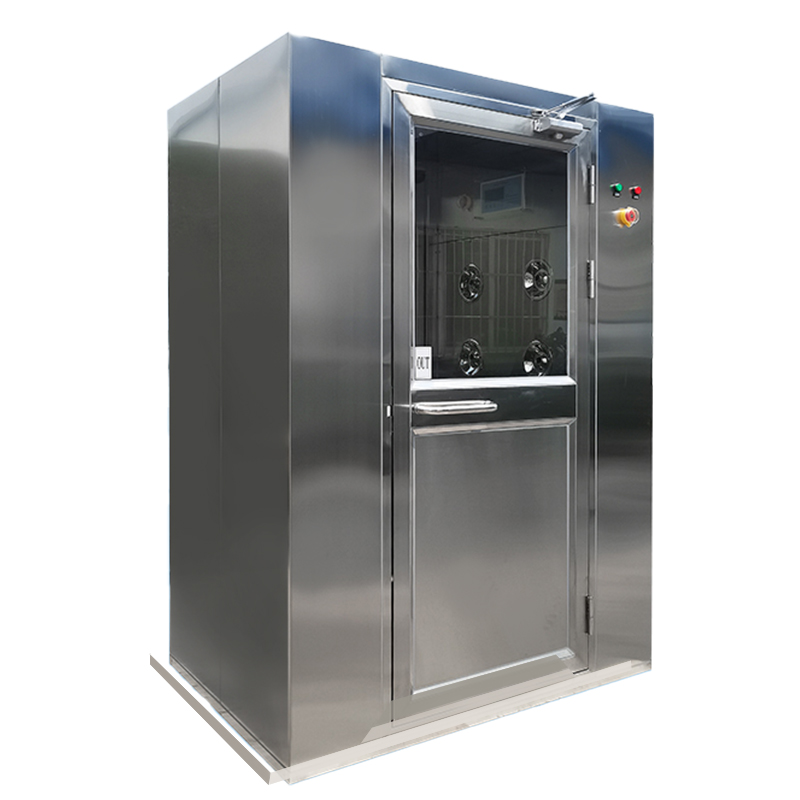
    Medical device clean booth with HEPA filtration, transparent enclosure, and precision medical component assembly line

Why Product Cleanliness Matters in Medical Device Manufacturing

Medical device cleanliness depends on more than the safety of raw materials. Exposed product surfaces, internal pathways, and assembled components all require appropriate contamination controls throughout manufacturing.
A non-toxic material does not guarantee a contamination-free medical device.
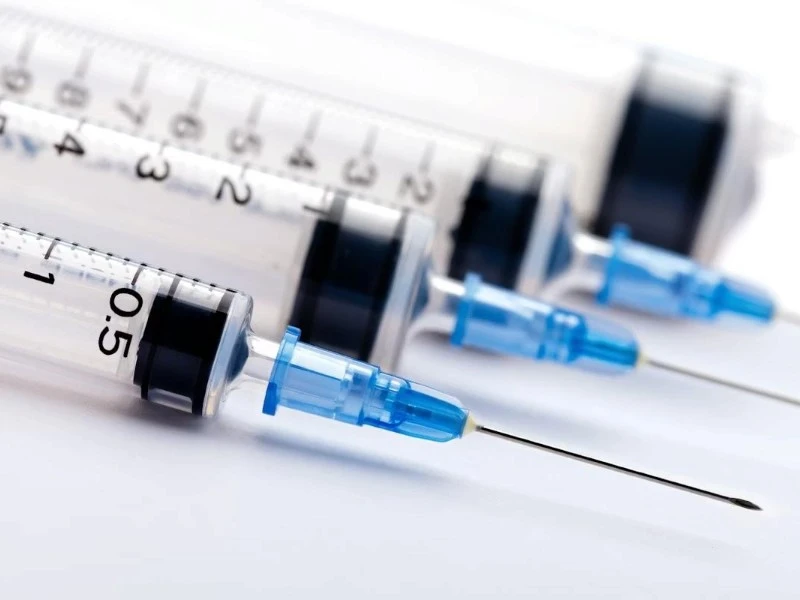
Close-up of disposable syringe and needle components for medical device manufacturing

01. Disposable Syringes & Fluid-Path Components

Particles and fibers introduced during component handling and assembly may settle on syringe barrels, needle hubs, and other product-contact surfaces. Maintaining controlled manufacturing conditions helps protect component cleanliness.
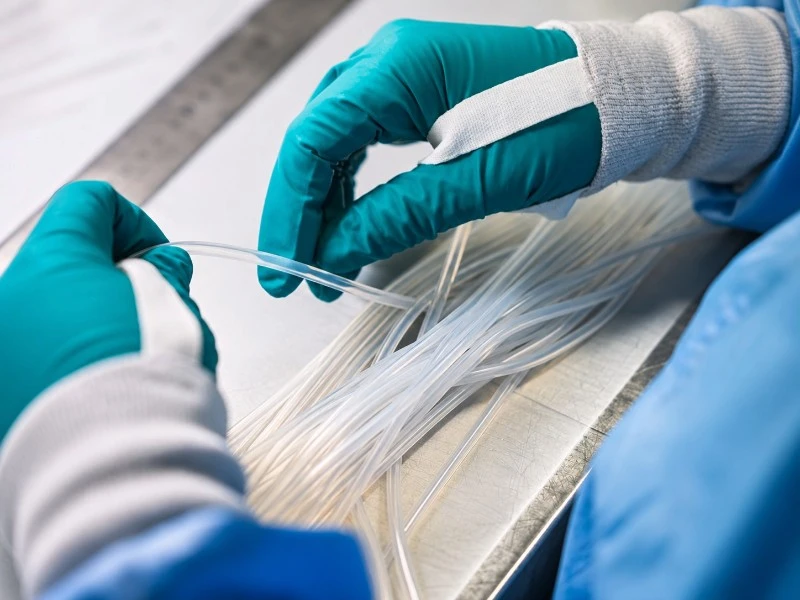
Gloved hands handling transparent medical tubing during component preparation

02. Medical Catheters & Tubing

During tubing cutting, handling, and assembly, exposed tube ends and internal passages may be vulnerable to particulate and fiber contamination. Controlled handling environments help protect these product-contact areas.
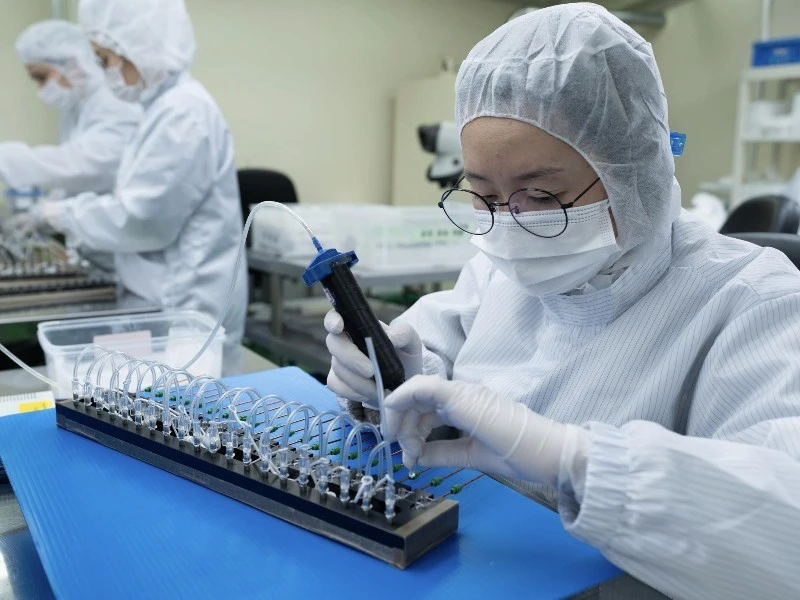
Operator assembling medical tubing components at a controlled production workstation

03. Precision Medical Component Assembly

Precision assembly involves exposed components, repeated handling, and contact with tools and equipment. Appropriate clean air protection and controlled work practices help minimize contamination risks during assembly.
Types & Sources of Contamination

Understanding contamination risks across medical device manufacturing processes.

01. Particles & Fibers

Typical Sources
Airborne dust, clothing fibers, plastic particles, and metal debris generated during processing, handling, and equipment operation.

Potential Impact
Particles may settle on product-contact surfaces or enter internal fluid pathways, potentially affecting product cleanliness and functionality.

02. Microbial Contamination

Typical Sources
Microorganisms introduced through personnel, incoming materials, equipment surfaces, and the surrounding environment.

Potential Impact
Microbial contamination can increase product bioburden. Products requiring sterilization need appropriate bioburden controls as part of their validated manufacturing and sterilization processes.

03. Process Residues

Typical Sources
Mold release agents, lubricants, machining fluids, adhesives, and cleaning chemical residues.

Potential Impact
Residues may affect product-contact surfaces, material compatibility, bonding quality, or subsequent manufacturing processes. Appropriate process cleaning and residue controls help manage these risks.

Typical Medical Device Manufacturing Stages

01

Component Processing

02

Handling & Assembly

03

Inspection & Packaging

Cross-Stage Control: Material Transfer

Controlled movement of components, tools, and materials between production areas.

Medical Device Cleanroom Equipment Solutions

Different manufacturing processes require different levels of contamination control. Flair provides cleanroom equipment for filtered production environments, localized product protection, dedicated clean zones, and controlled material transfer. Each configuration can be adapted to product exposure, process requirements, and facility conditions.

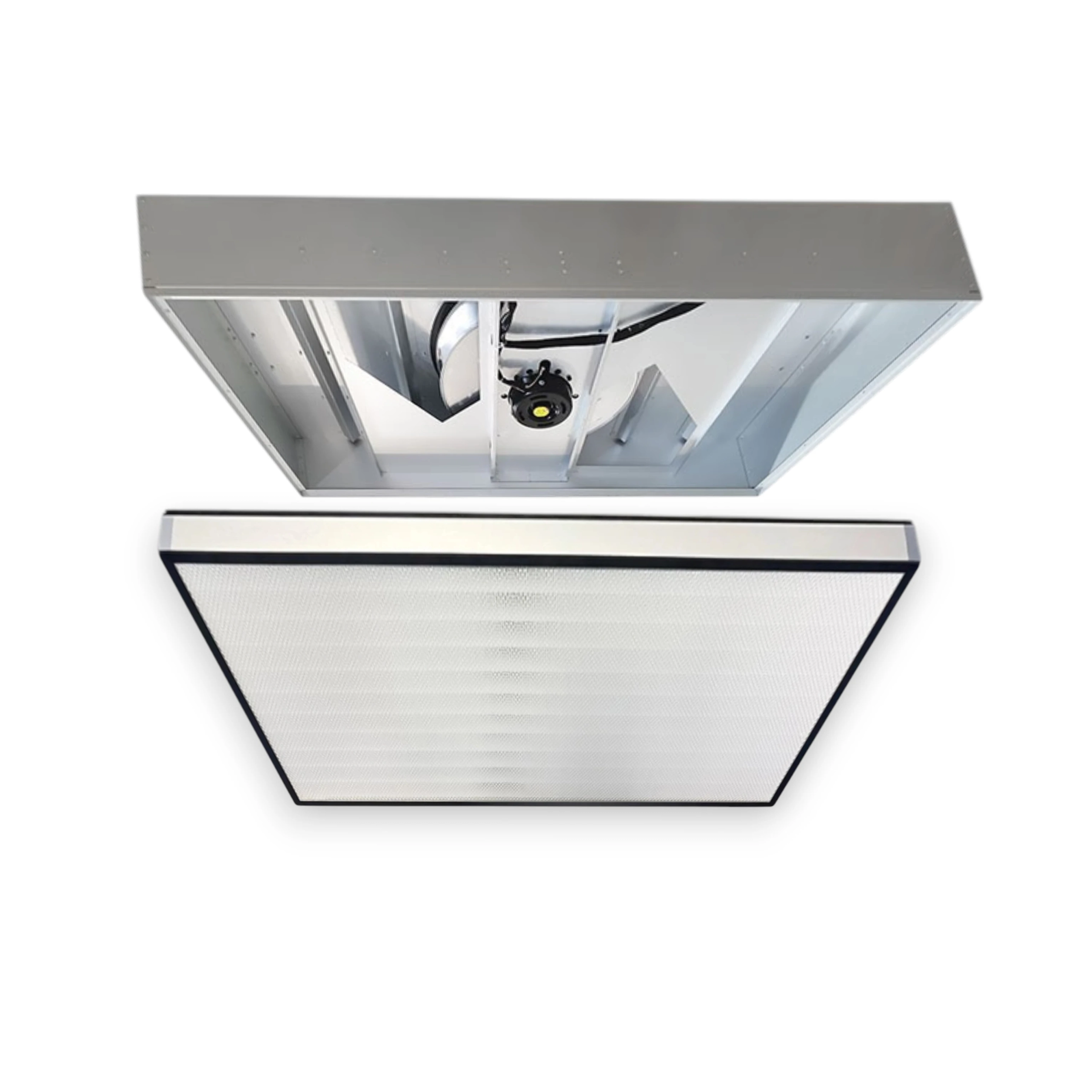
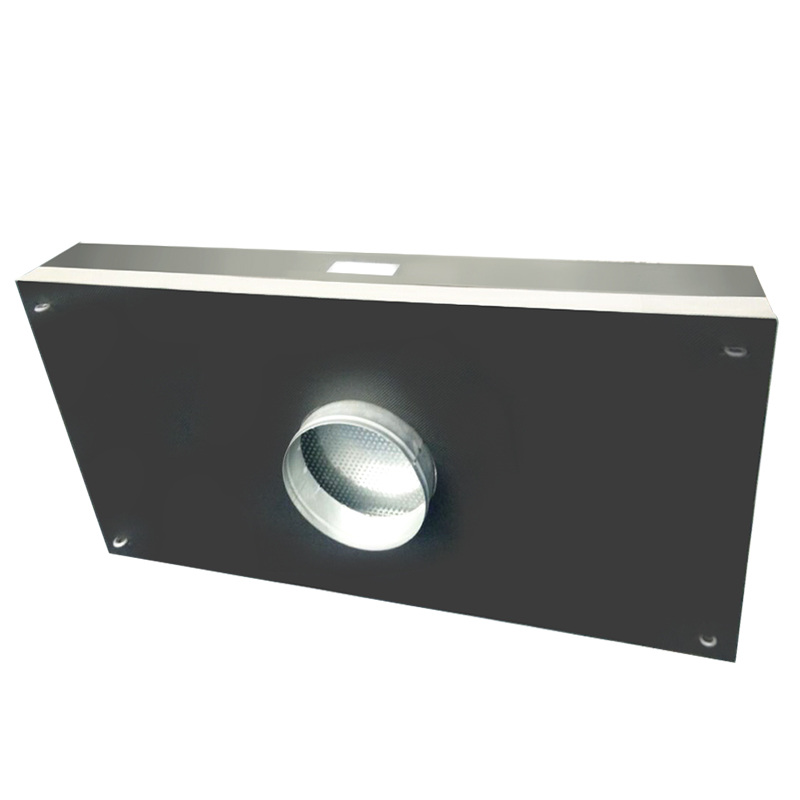
Ceiling HEPA Filtration Modules

01. Room-Wide Air Filtration for Controlled Production Areas

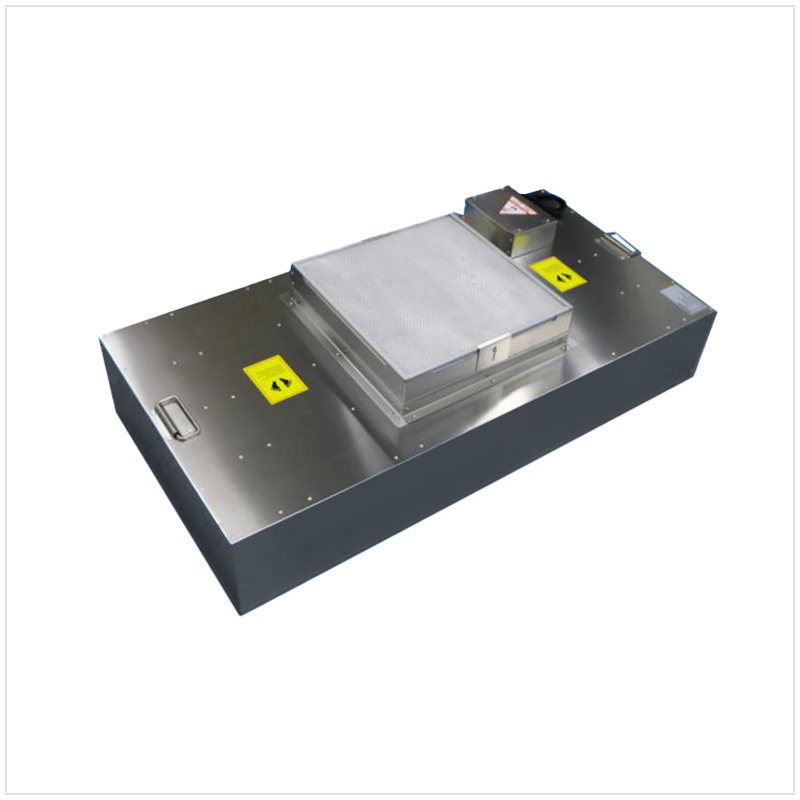
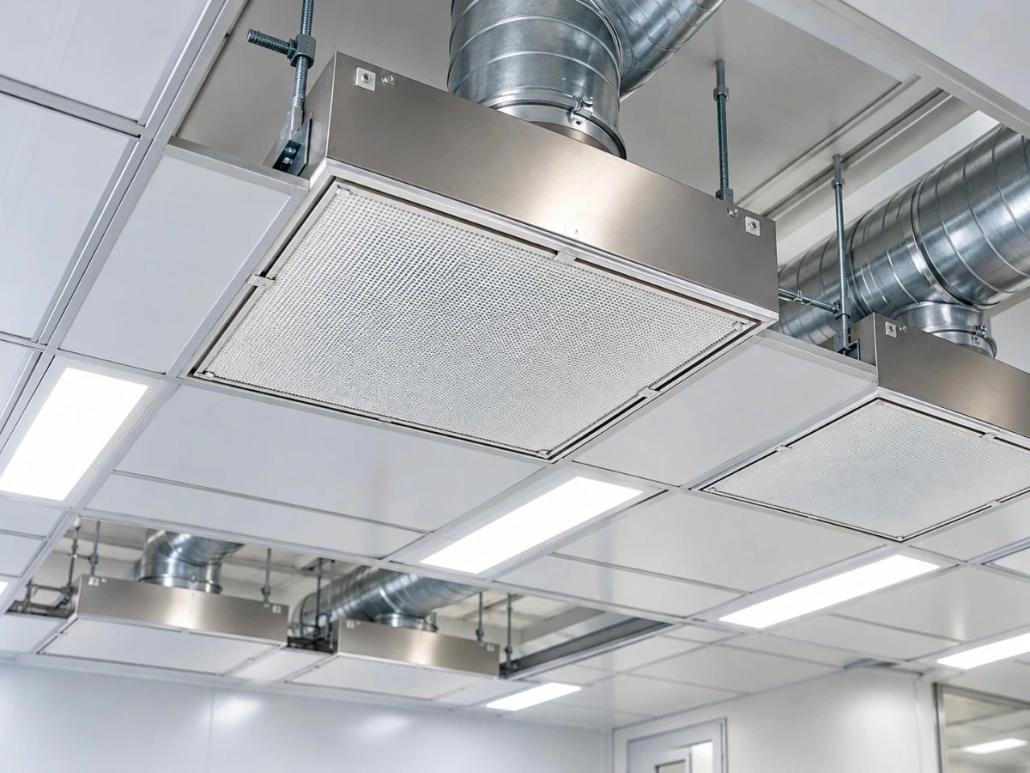
Medical device production areas require air filtration appropriate to their cleanliness levels and manufacturing processes. FFUs and ceiling HEPA filter modules supply filtered air to controlled production spaces. Airflow distribution and supply and return air arrangements should be coordinated with the facility’s HVAC design.
Flair provides FFUs, ceiling HEPA filter modules, and HEPA / ULPA filters to support project-specific air filtration requirements.

Operators handling and inspecting medical device components at clean production workstations.

02. Localized Clean Air for Exposed Components

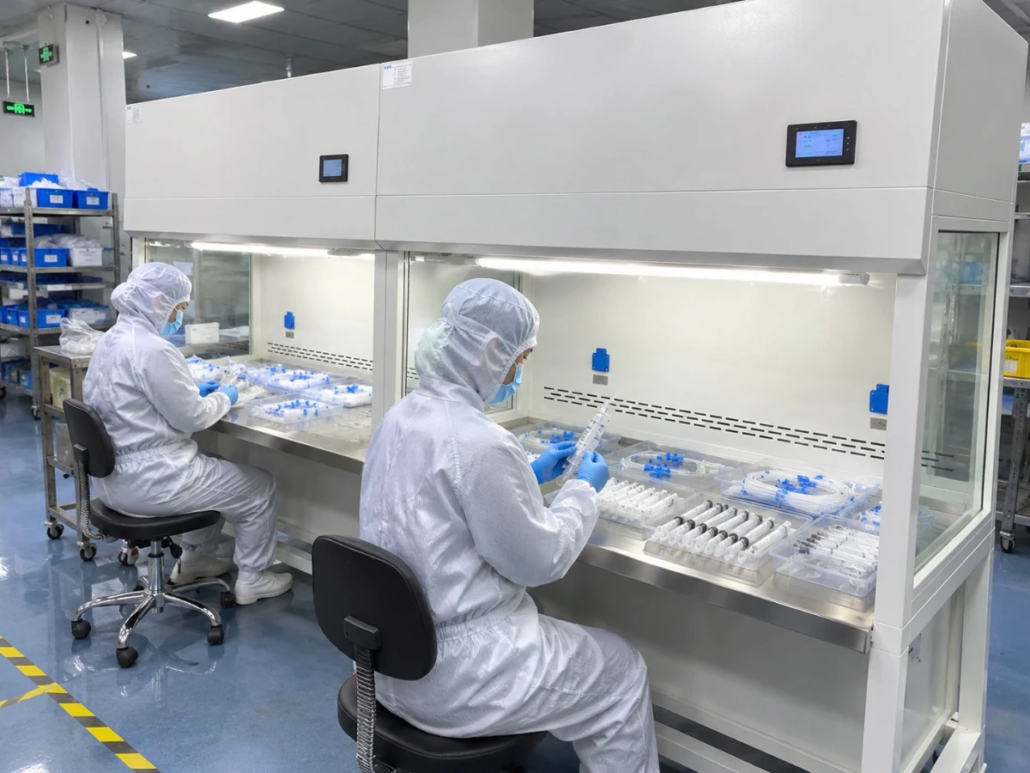
During open handling, inspection, and assembly, exposed medical components and product-contact surfaces may be vulnerable to airborne particles. Laminar flow benches and hoods provide HEPA-filtered air within defined work areas, helping protect exposed components during critical operations.
Flair offers vertical and horizontal laminar flow configurations to support product handling, inspection, and precision assembly.

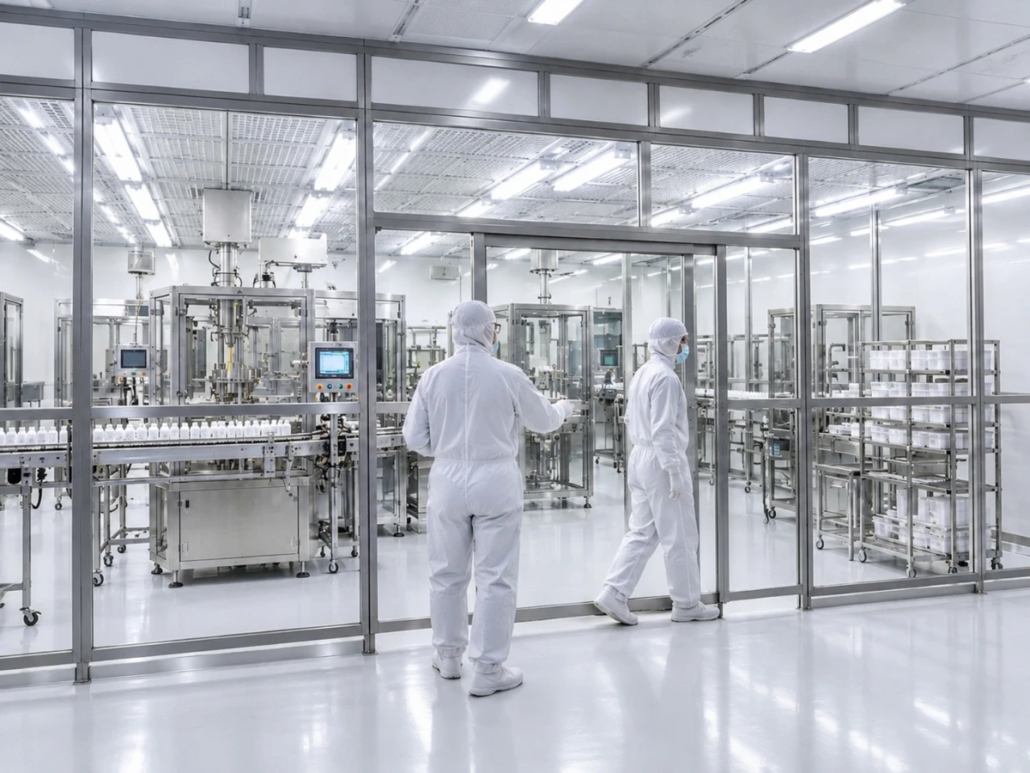
Modular cleanroom production area with transparent partitions, manufacturing equipment, and personnel.

03. Modular Cleanroom Zones for Critical Operations

Some medical device manufacturing operations require a cleaner and more controlled environment than the surrounding production area. Modular cleanroom enclosures help define dedicated production zones for component handling, assembly, and inspection.
Flair configures cleanroom enclosures with suitable FFU / HEPA filtration, dimensions, and access arrangements according to production requirements and available space.

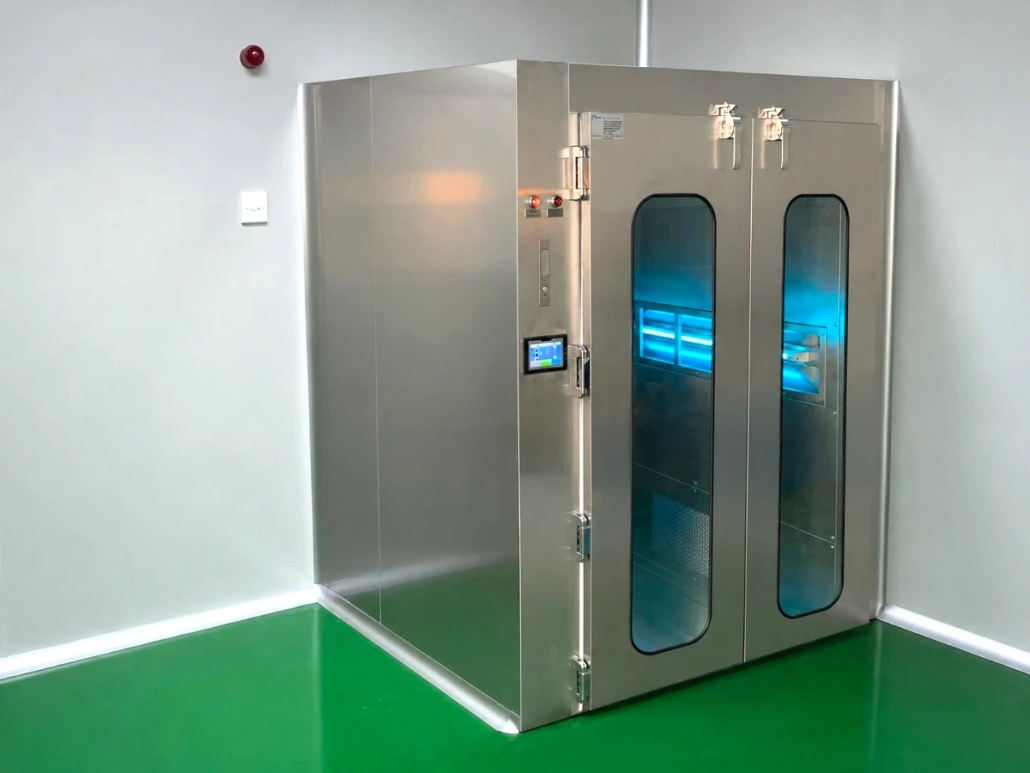
Pass box with integrated air shower and UV-C disinfection for cleanroom material transfer

04. Pass Box with Air Shower & UV-C Disinfection

Materials transferred between controlled production areas may carry loose particles and microbial contamination on exposed surfaces.
Flair’s integrated Pass Box combines enclosed material transfer, filtered air showering, and UV-C disinfection to provide an additional contamination-control step.
The air shower helps dislodge loose particles from material surfaces, while UV-C irradiation supports microbial reduction on directly exposed surfaces under specified exposure conditions.

Project-Based Equipment Design & Customization

Flair works with EPC contractors, cleanroom contractors, and design firms to develop equipment solutions tailored to specific project requirements. From equipment selection and technical design to customized configurations, manufacturing, and installation-interface coordination, we provide technical support throughout the project equipment development process.

01. Equipment Selection & Technical Design

Flair supports equipment selection based on product types, manufacturing processes, cleanliness requirements, and facility layouts. We provide technical recommendations and equipment specifications to help project teams identify suitable cleanroom equipment for their production applications.

02. Equipment Configuration & Customization

Equipment dimensions, airflow arrangements, filter configurations, and operating parameters can be customized according to product handling requirements, cleanliness objectives, and available installation space. Monitoring and control options can also be specified according to equipment models and project needs.

03. Construction Materials & Design Details

Suitable construction materials, smooth stainless steel surfaces, and rounded internal corners in key areas help minimize dust accumulation and reduce hard-to-clean locations. Flush joints and carefully considered structural details facilitate routine cleaning and support product cleanliness in medical device manufacturing environments.

04. Technical Drawings & Installation Coordination

Flair provides equipment dimensional drawings, technical specifications, installation opening requirements, and interface details to support project planning. We work with EPC contractors, cleanroom contractors, and design teams to coordinate equipment dimensions and installation interfaces with the overall cleanroom layout.

Whether supporting a new cleanroom project or upgrading an existing production facility, Flair works alongside EPC contractors, cleanroom contractors, and design firms to provide customized equipment solutions, technical documentation, and manufacturing support tailored to project requirements.

FAQs

Find answers to common questions about cleanroom equipment for medical device manufacturing, including air filtration, localized clean-air protection, modular clean zones, and controlled material transfer. Learn how to select suitable equipment based on product requirements, manufacturing processes, and contamination control needs.

Medical device components may be exposed to airborne particles, fibers, and microorganisms during processing, handling, and assembly. Even when raw materials are non-toxic, contamination can affect product cleanliness and quality. Cleanrooms and other controlled environments help manufacturers manage these risks, particularly where exposed product surfaces or internal fluid pathways require protection.

No. The need for a cleanroom depends on the device’s intended use, product design, manufacturing processes, and cleanliness requirements. Some medical devices require controlled cleanroom environments, while others may need only localized clean-air protection or other appropriate contamination controls. Manufacturers should determine the necessary environmental controls based on product and process risks.

The required cleanroom class depends on product exposure, manufacturing operations, contamination risks, and applicable project requirements. ISO 14644-1 provides a classification system based on airborne particle concentrations. Therefore, manufacturers should evaluate their production processes and cleanliness objectives before selecting the appropriate cleanroom classification and filtration configuration.

Fan Filter Units (FFUs) and HEPA filters help reduce airborne particle concentrations by supplying filtered air to controlled production areas. In addition, airflow distribution, air supply and return arrangements, and room pressure relationships should work together to maintain the required environmental conditions. However, air filtration does not remove process residues from product surfaces or replace product cleaning procedures.

Laminar flow benches and hoods provide localized HEPA-filtered air for exposed components during handling, inspection, and precision assembly. Clean booths create more defined, enclosed clean zones for selected production operations. The appropriate solution depends on the required cleanliness level, product exposure, workstation layout, and process requirements.

Pass boxes provide enclosed transfer interfaces between adjacent controlled areas, helping manage material movement without unnecessary personnel movement. Meanwhile, air showers use filtered air jets to dislodge loose particles from personnel garments and, where applicable, exposed material surfaces. Both equipment types support contamination control during entry and transfer.

An integrated UV-C system provides an additional surface disinfection step for compatible items during material transfer. Its effectiveness depends on UV-C intensity, exposure time, distance, surface accessibility, and shadowing. Therefore, the treatment parameters should be evaluated for the intended application. UV-C disinfection does not automatically guarantee product sterility or replace a validated sterilization process.

No. A cleanroom helps control environmental contamination and may support the management of product bioburden during manufacturing. However, environmental cleanliness and product sterility are different requirements. Medical devices labeled as sterile must undergo an appropriate, validated sterilization process, together with suitable packaging controls to maintain sterility until use.

To recommend suitable equipment, Flair typically needs the product type, manufacturing process, cleanliness requirements, equipment dimensions, available installation space, and expected operating conditions. Drawings, layout plans, airflow requirements, and material transfer details are also helpful. Based on this information, Flair can provide equipment recommendations, technical specifications, customized configurations, and a project-based quotation.

Discuss Your Medical Device Cleanroom Equipment Requirements

Tell us about your products, manufacturing processes, equipment requirements, and project specifications. Flair supports equipment selection, project-specific customization, technical documentation, and installation-interface coordination for medical device cleanroom projects.

Copyright © 2018 - 2026 Shenzhen Flair Equipment Co., Ltd.