Where Technical Cleanliness Is Critical in Automotive Manufacturing
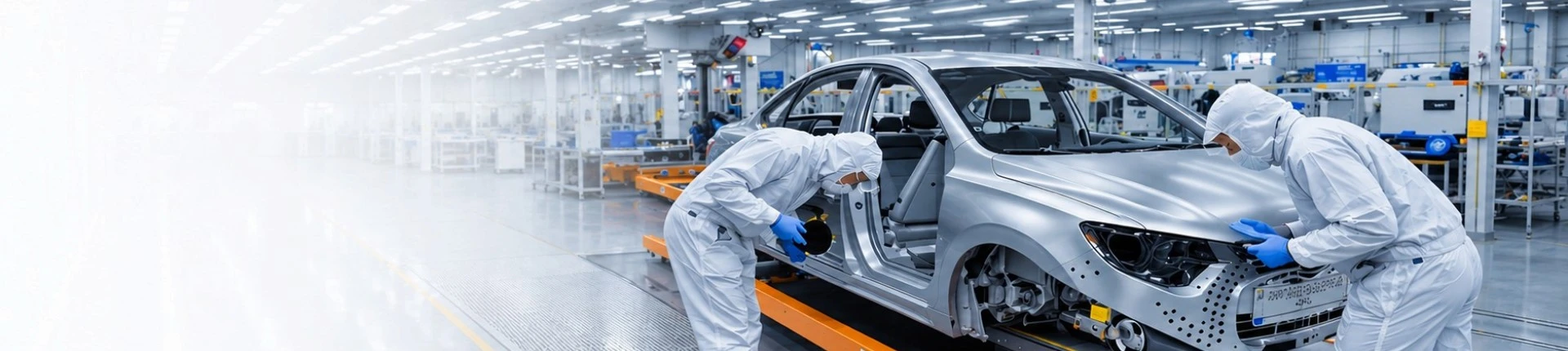
Technical cleanliness matters when functional surfaces and interfaces are exposed during component handling, transfer, and assembly. Required controls depend on component design, downstream function, and customer cleanliness specifications.
PROCESS STAGE 01 · AFTER CLEANING
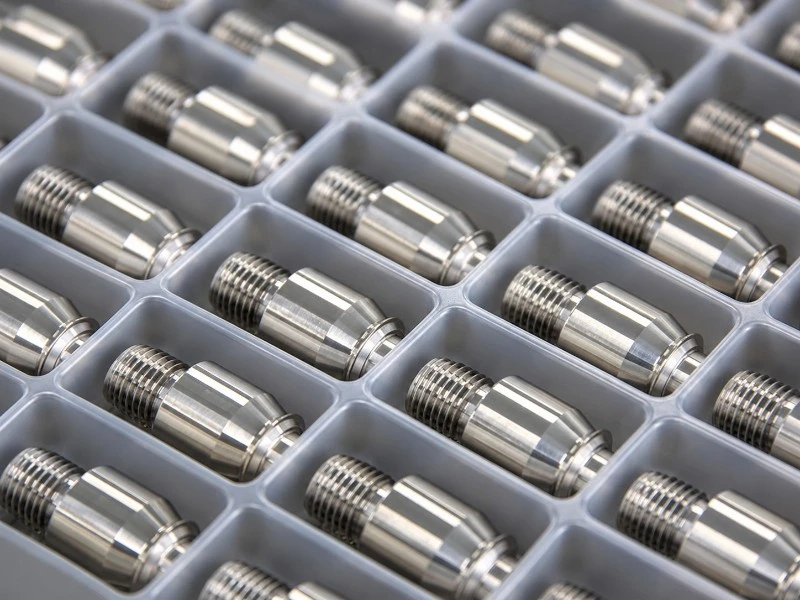
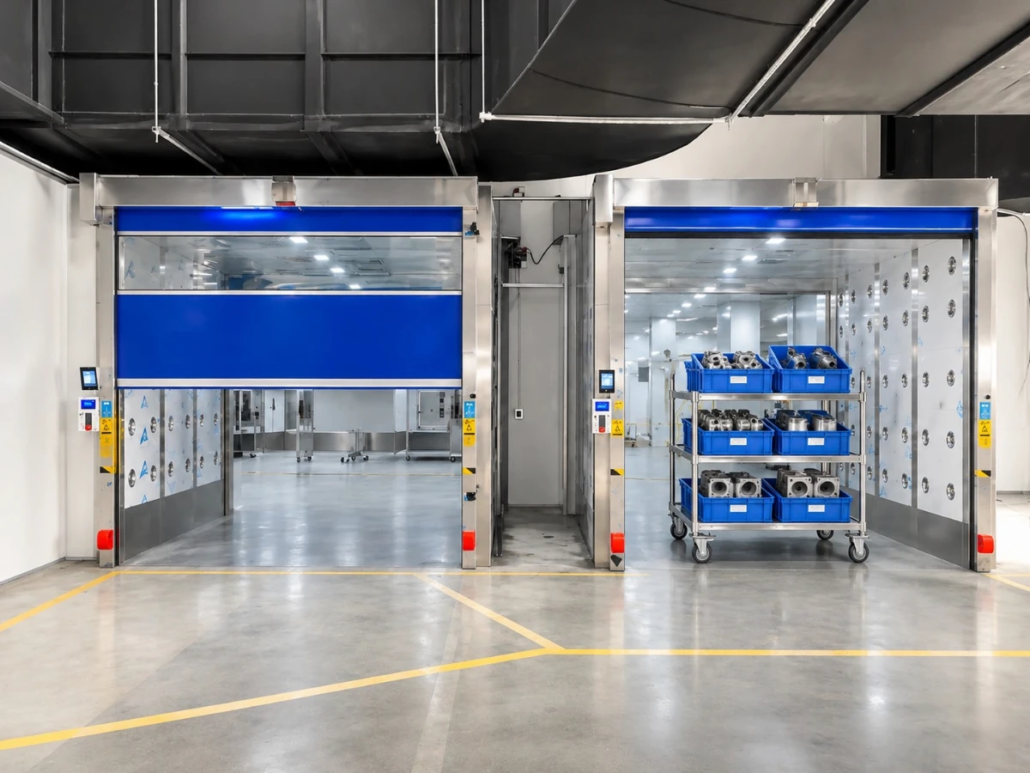
Post-Cleaning Component Handling & Transfer
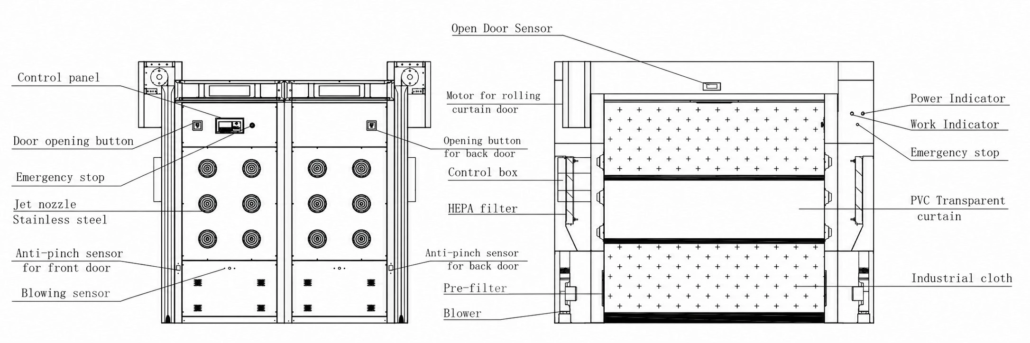
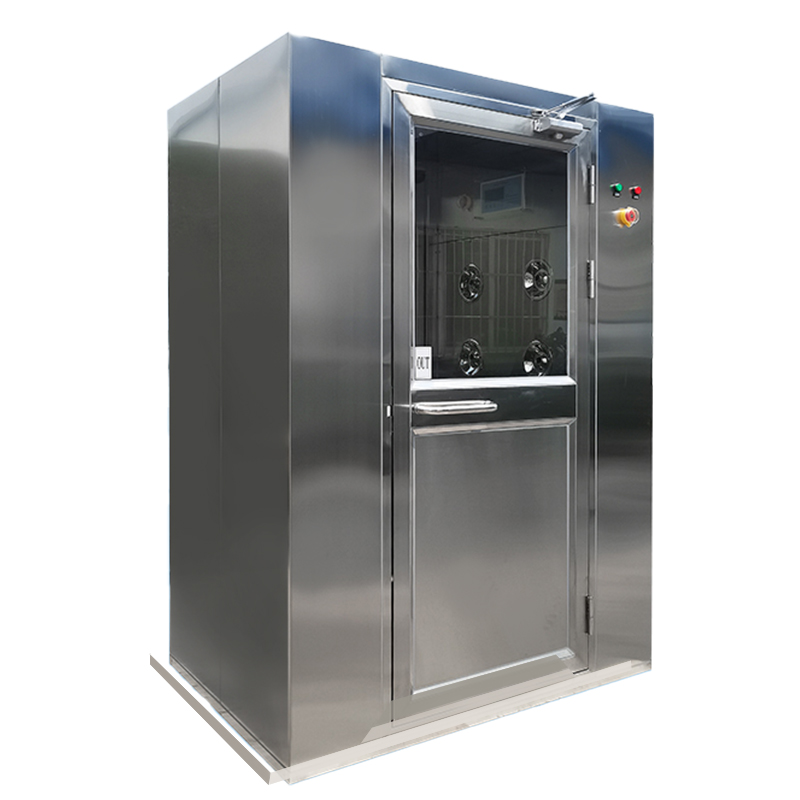
After machining and cleaning, components can be re-exposed to dust, fibres, and other particles during handling, temporary storage, and transfer. For suitable components and transport containers, a cargo air shower can help dislodge loose surface particles before entry into a controlled assembly area.
PROCESS STAGE 02 · ASSEMBLY
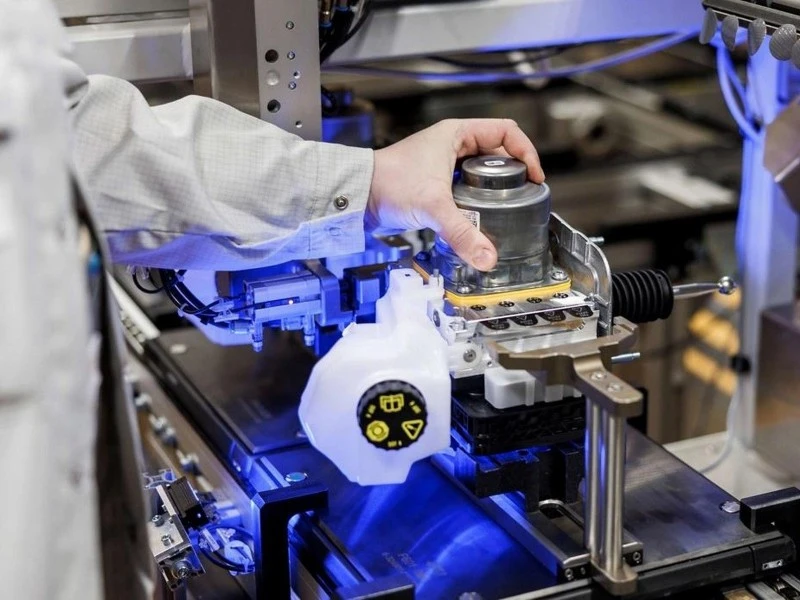
Fluid-Control & Precision Component Assembly
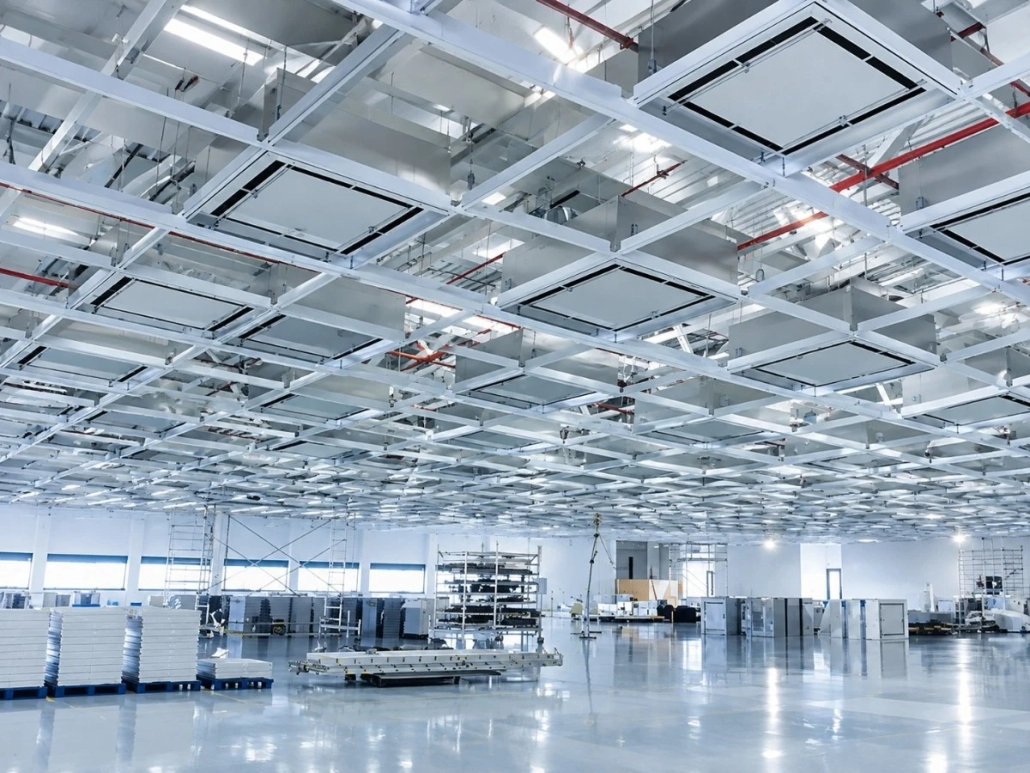
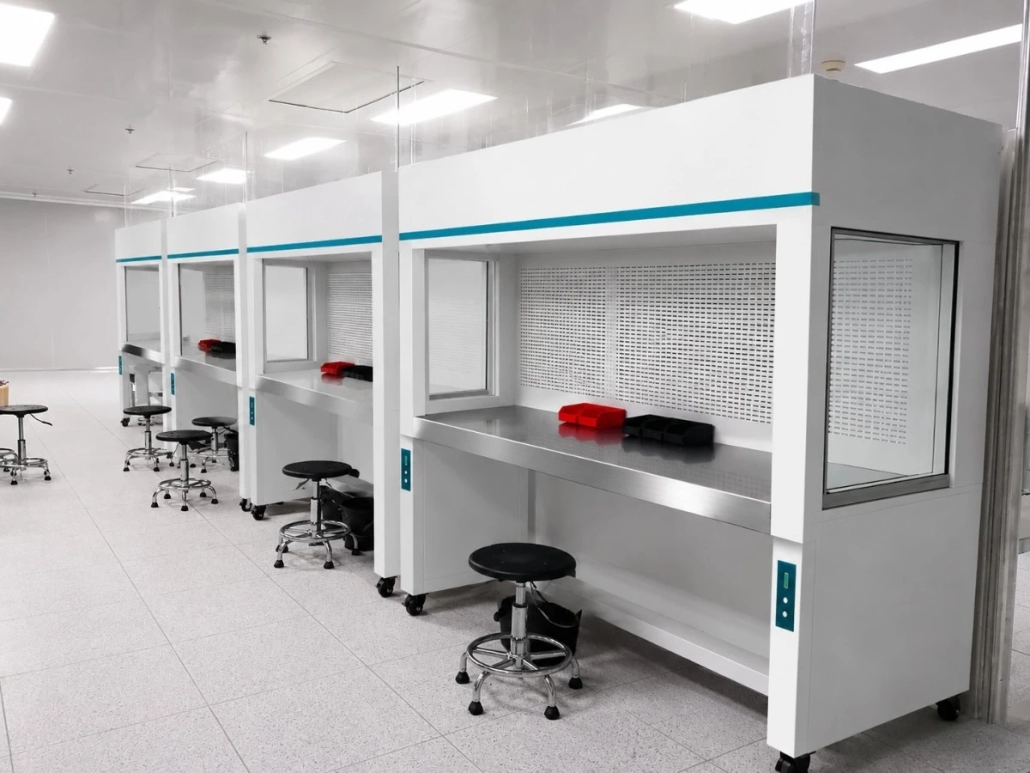
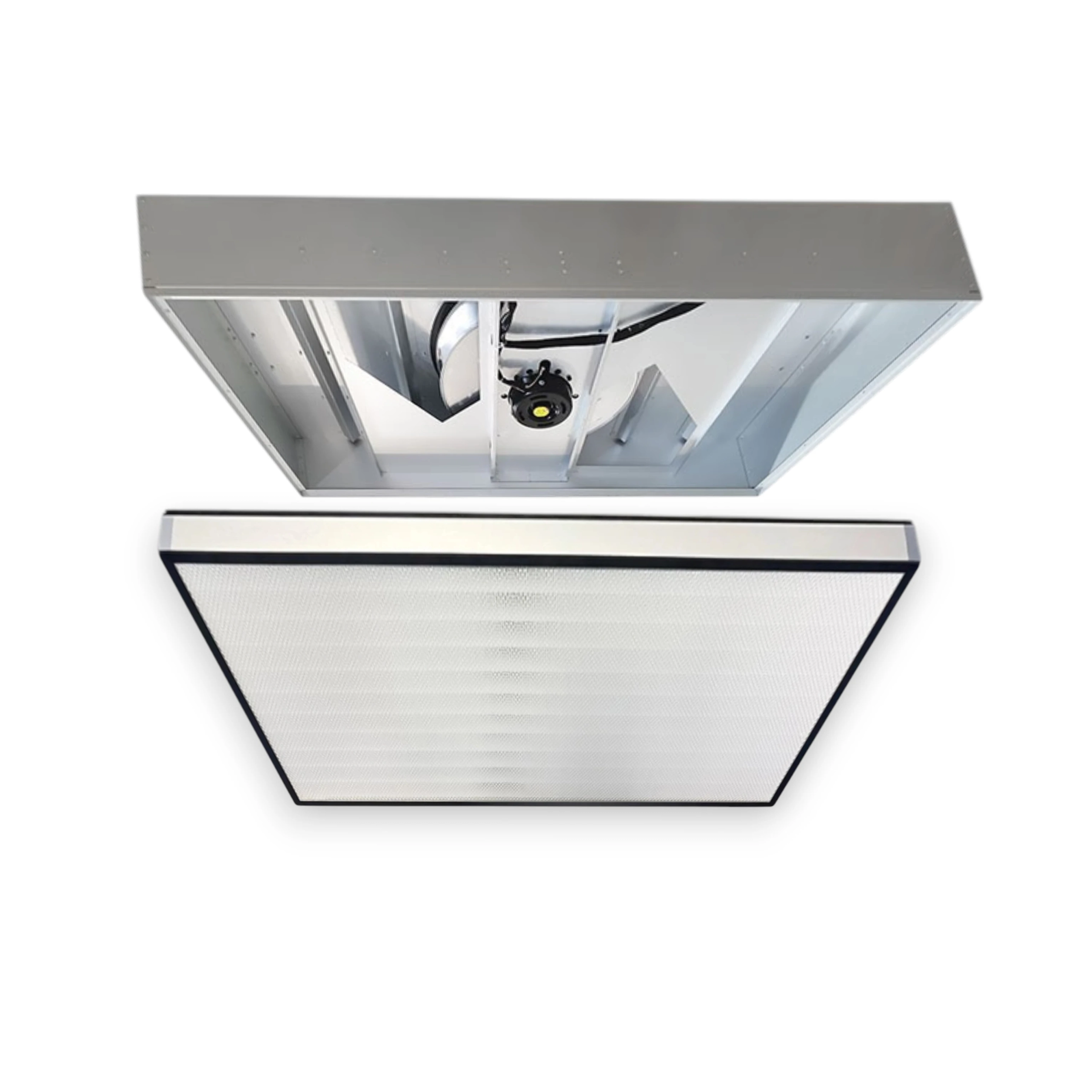
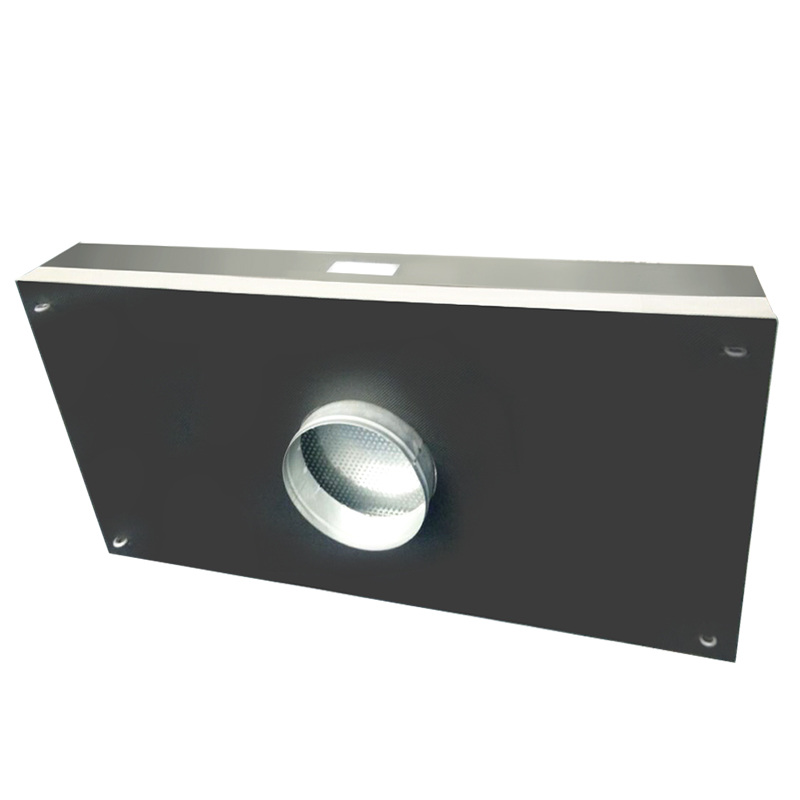
For example, valves, pumps, and hydraulic units may contain narrow passages, sealing surfaces, and close-fitting interfaces. Filtered-air work zones can help reduce airborne particle exposure during open handling, assembly, and inspection.
PROCESS STAGE 03 · ELECTRONICS
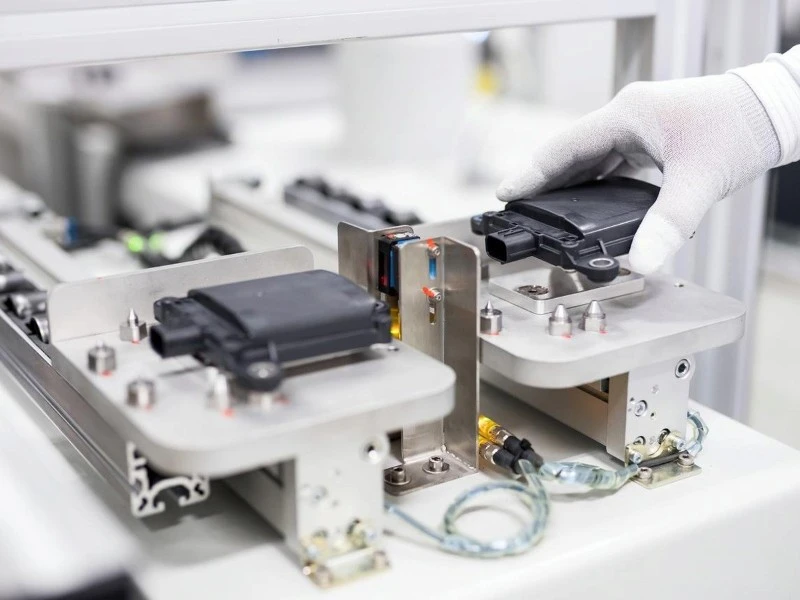
Automotive Electronics & Sensor Assembly
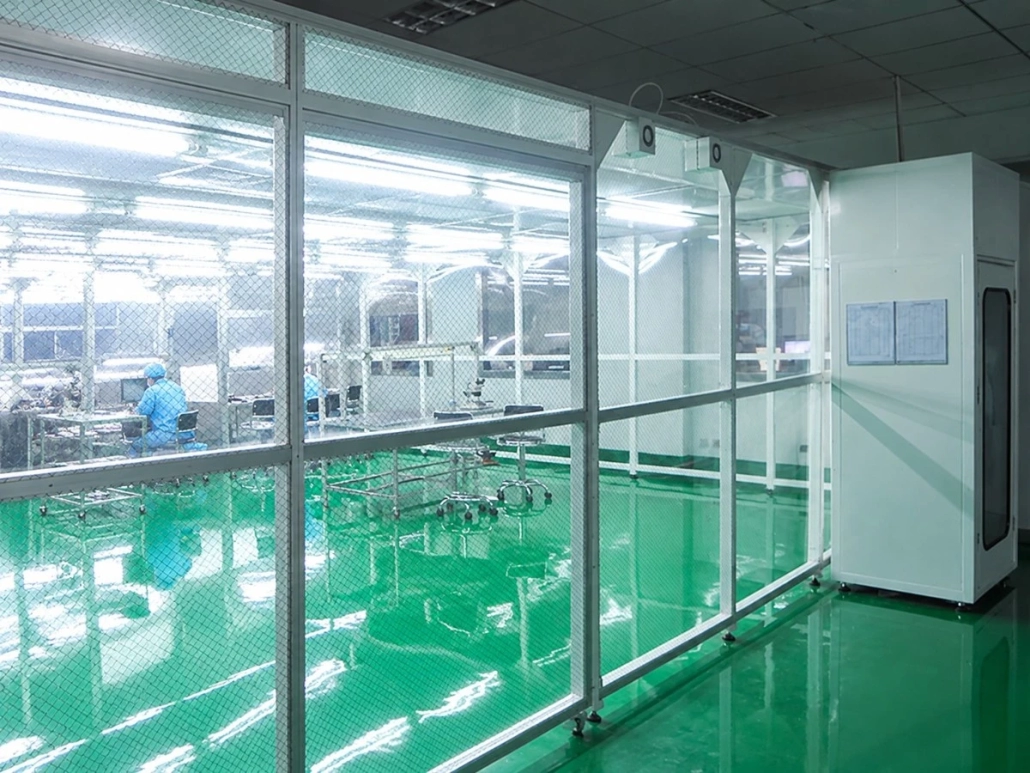
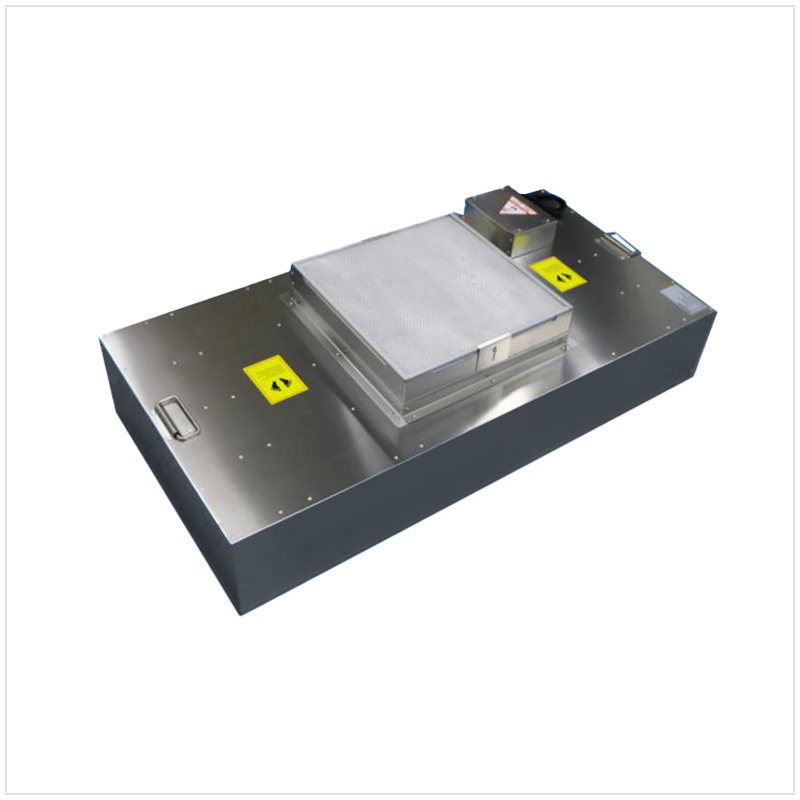
ECUs, sensors, connectors, and selected power-electronic assemblies may require controlled work areas during exposed handling, assembly, and inspection. Filtered-air systems, laminar flow equipment, and clean booths can provide localized or area-wide particle control according to component sensitivity and process requirements.
Technical Cleanliness References: ISO 16232:2018 · VDA 19.1 · VDA 19.2