• Cleanroom Equipment for Laboratories & Research Facilities

    Flair provides cleanroom equipment for laboratory sample preparation, precision testing, and controlled research workspaces. Laminar flow clean benches, FFUs, HEPA modules, and clean booths support selected laboratory applications.

    Discuss Your Laboratory Project
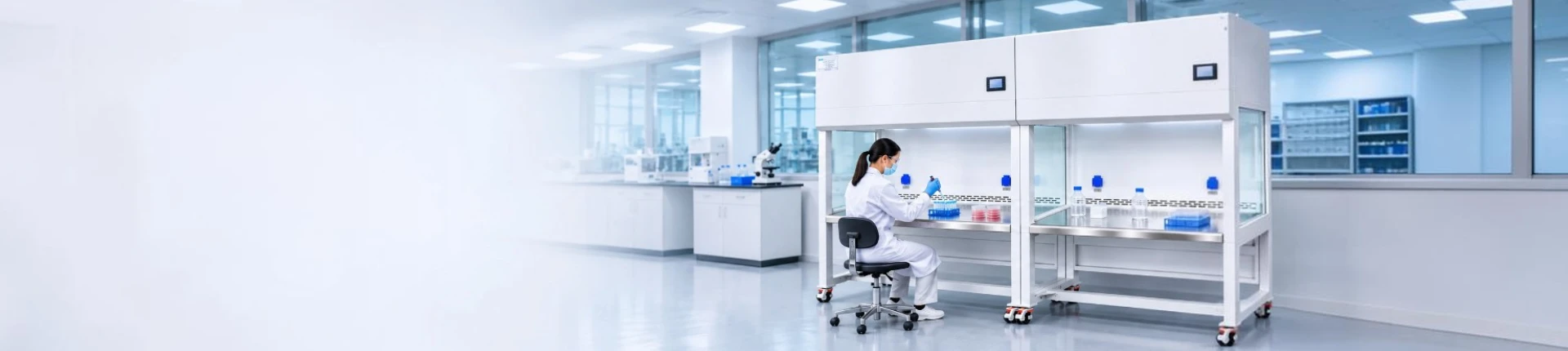
    Laboratory laminar flow workstation in a modern research facility

Laboratory Applications Requiring Clean-Air Control

Not every laboratory needs a classified cleanroom. However, exposed samples and selected research activities may require clean-air control. Flair provides equipment for localized protection and designated research workspaces.

Laboratory technician using a pipette to handle samples in a biotechnology laboratory

01 — Sample Preparation & Handling

Open sample handling can expose materials to airborne particles. For suitable non-hazardous tasks, laminar flow clean benches provide localized clean-air protection.
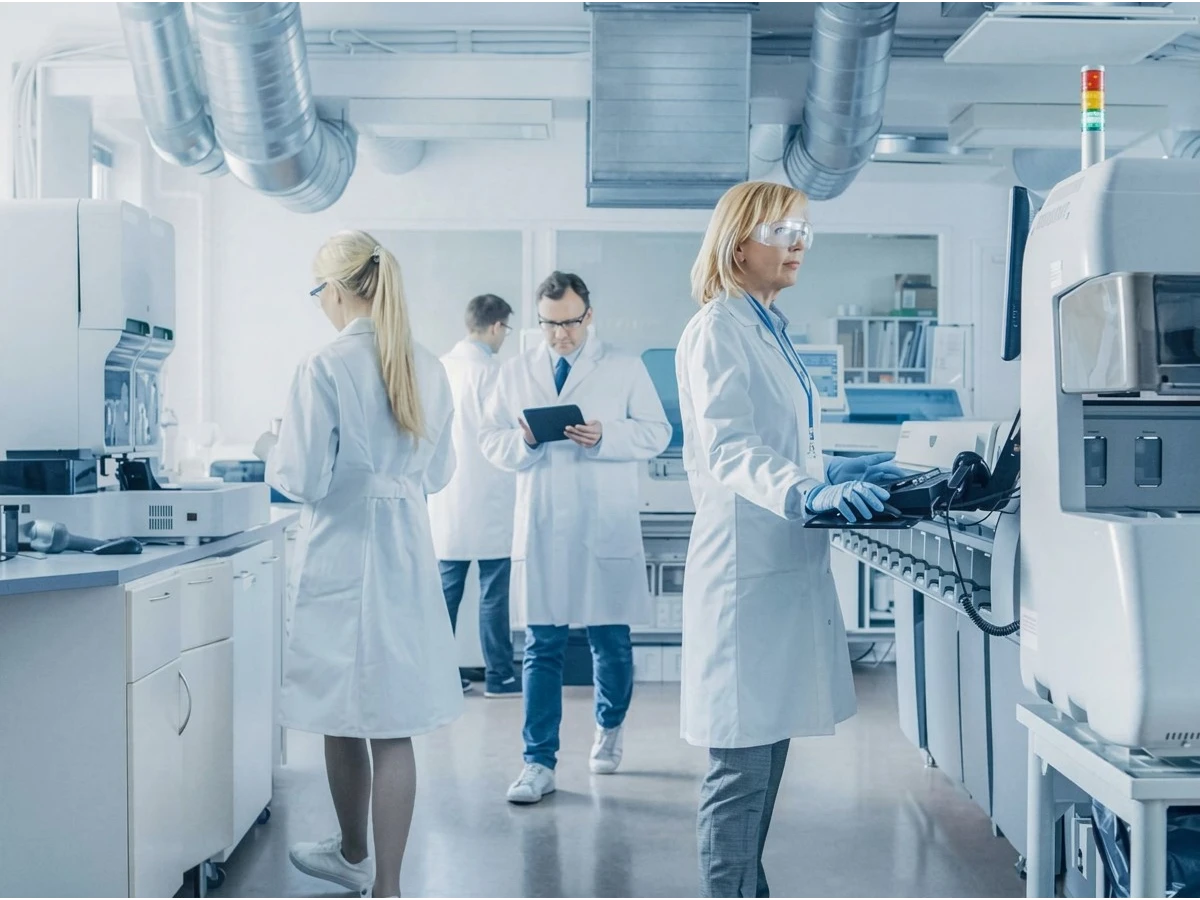
Researcher inspecting material samples under a microscope in a laboratory

02 — Precision Testing & Inspection

Exposed samples and components may need protection from airborne particles during inspection and testing. Localized clean-air workstations can support suitable tasks.
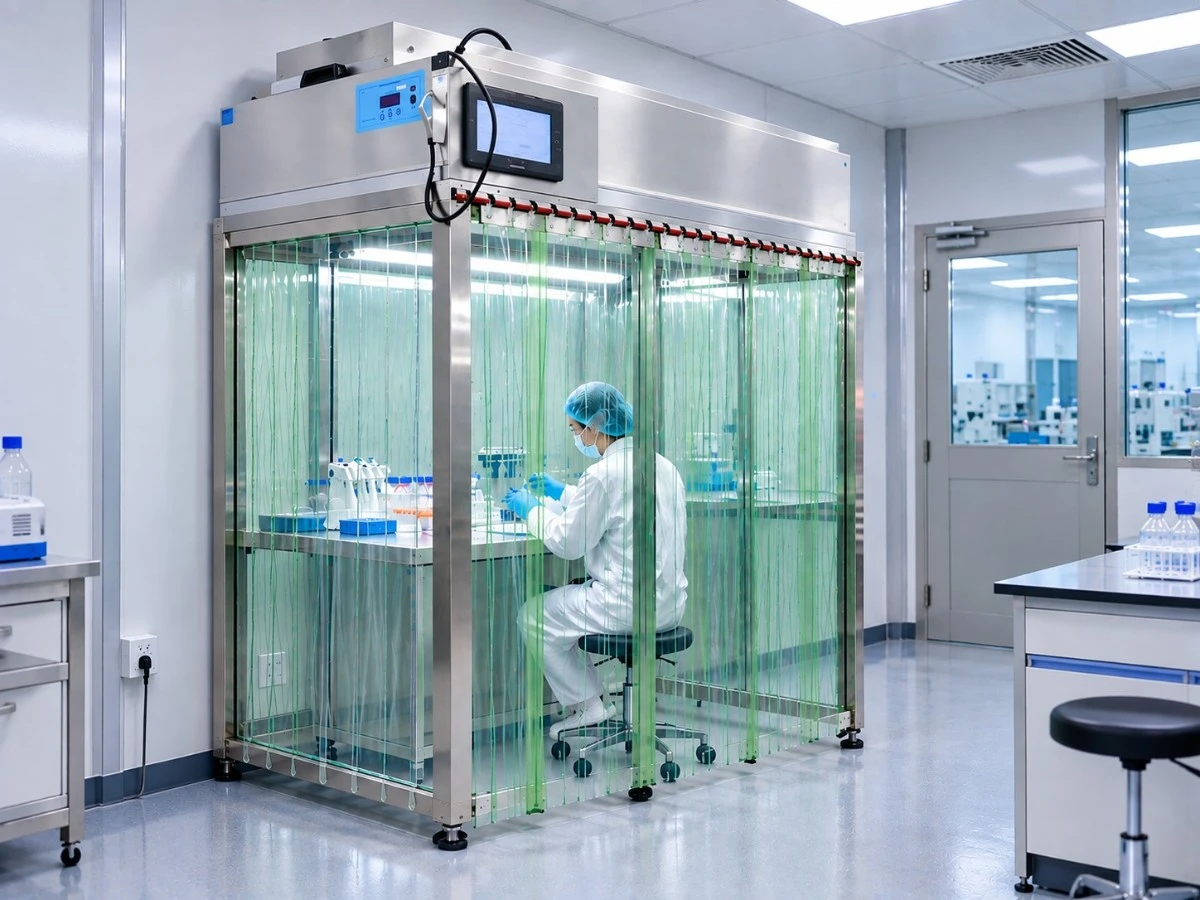
Soft-wall clean booth with transparent PVC curtains

03 — Controlled Research Areas

Selected research activities may need dedicated clean-air workspaces. FFUs, HEPA ceiling modules, and clean booths can provide filtered air at workstation or area level.
Key Considerations for Laboratory Clean-Air Control

Laboratory clean-air equipment should match application needs, airflow requirements, protection objectives, and available space.

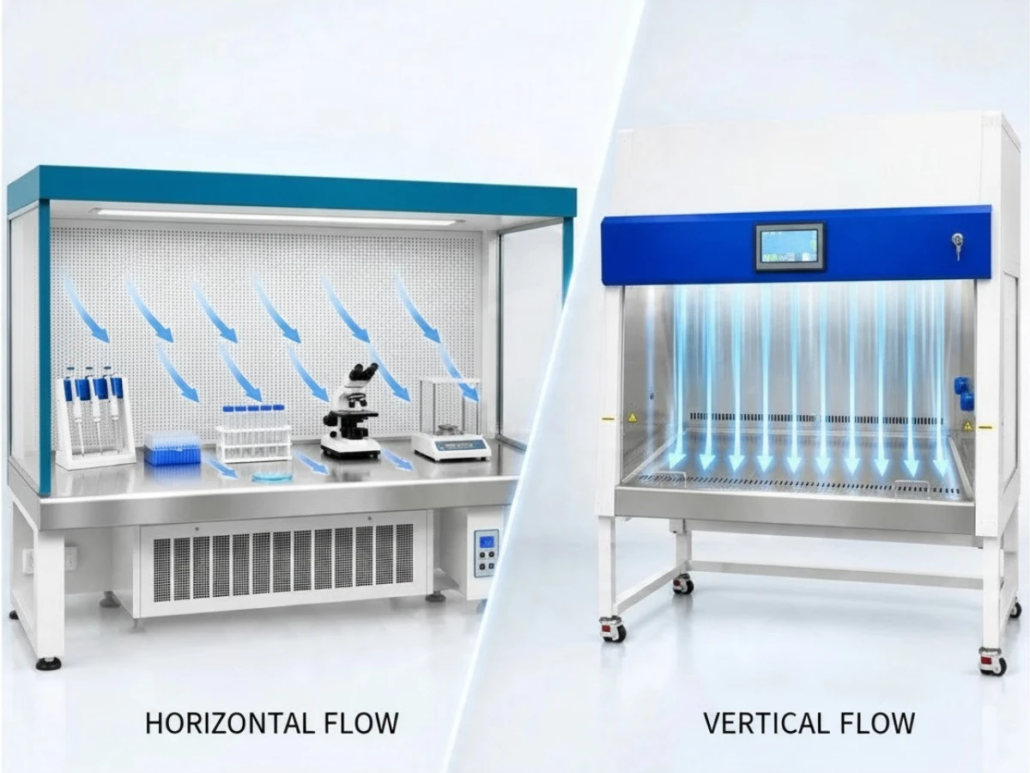
Clean Bench Unidirectional Airflow

01 — Filtration Requirements

Match filter grades and airflow capacity to particle-control requirements.

02 — Airflow & Workstation Design

Select airflow direction according to sample position and operator access.

03 — Sample vs. Operator Protection

Distinguish sample protection from personnel protection when selecting equipment.

04 — Layout & Equipment Integration

Coordinate dimensions, utilities, maintenance access, and installation clearances.

Laboratory Cleanroom Equipment

Flair’s laboratory equipment range covers localized clean-air workstations, room-level filtration, modular clean zones, and controlled material transfer.

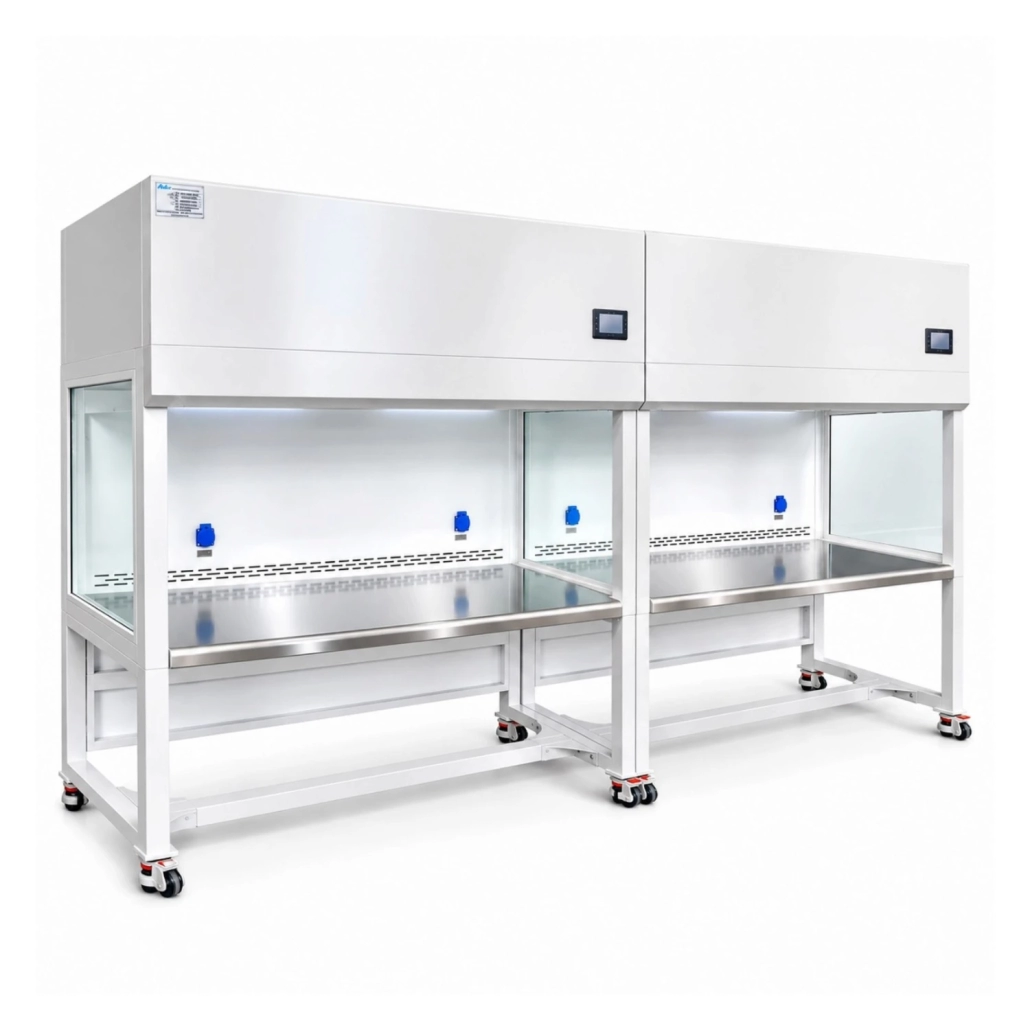
Horizontal laminar flow clean bench

Vertical & Horizontal Laminar Flow Clean Benches

Provide localized filtered-air protection for exposed samples and materials during suitable laboratory operations.

TYPICAL APPLICATIONS
Sample Preparation · Open Sample Handling · Precision Inspection

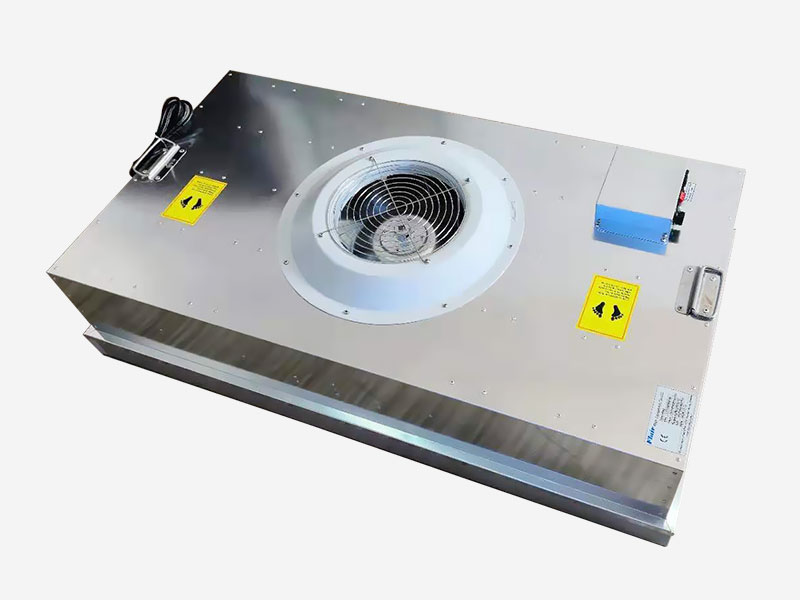
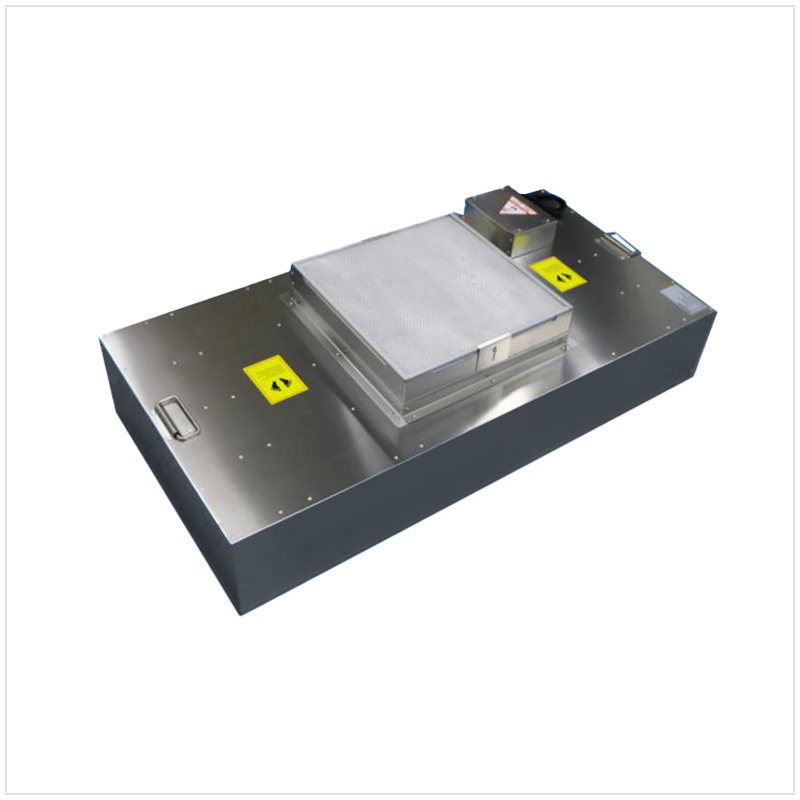
Stainless Steel Fan Filter Unit

Laboratory Air Filtration Systems

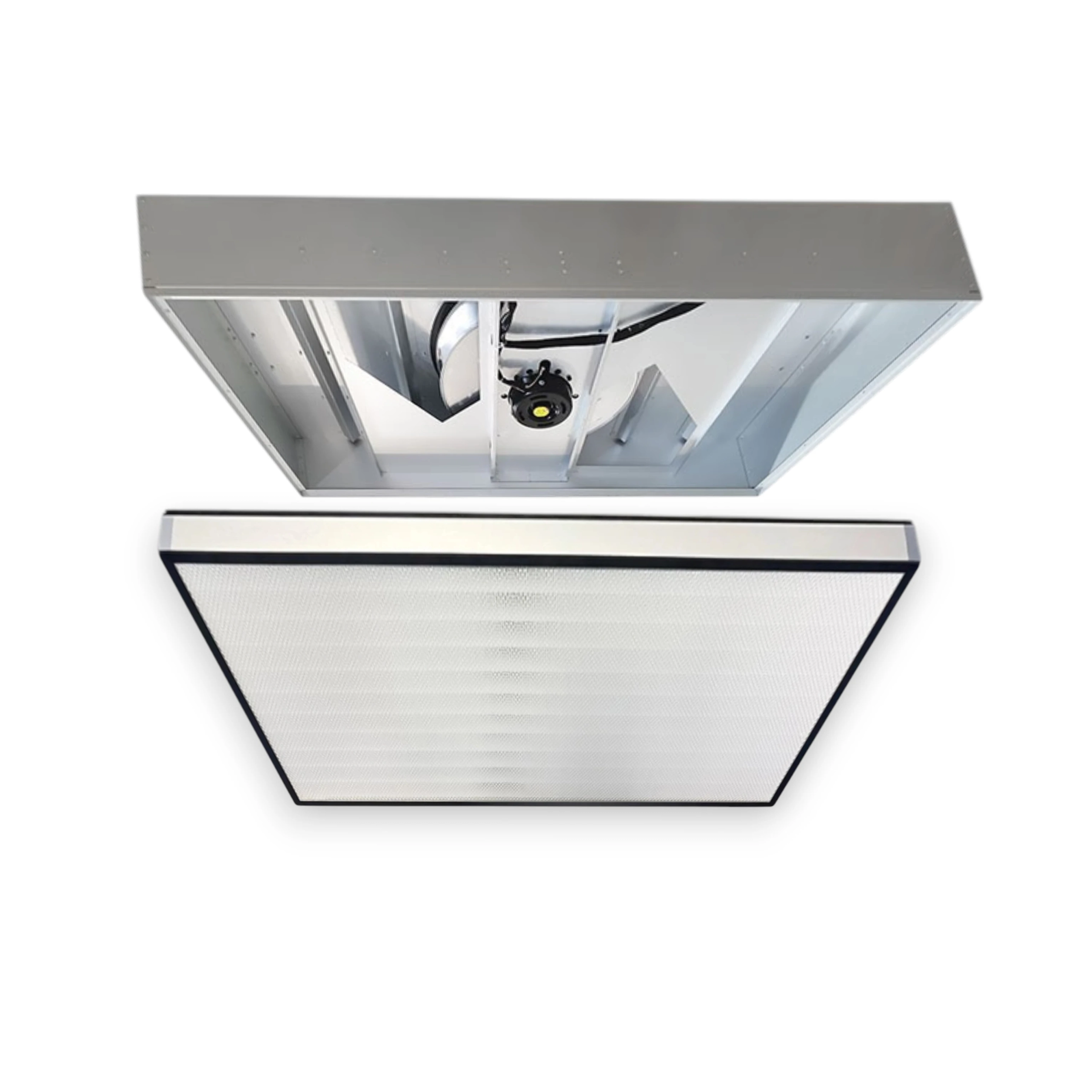
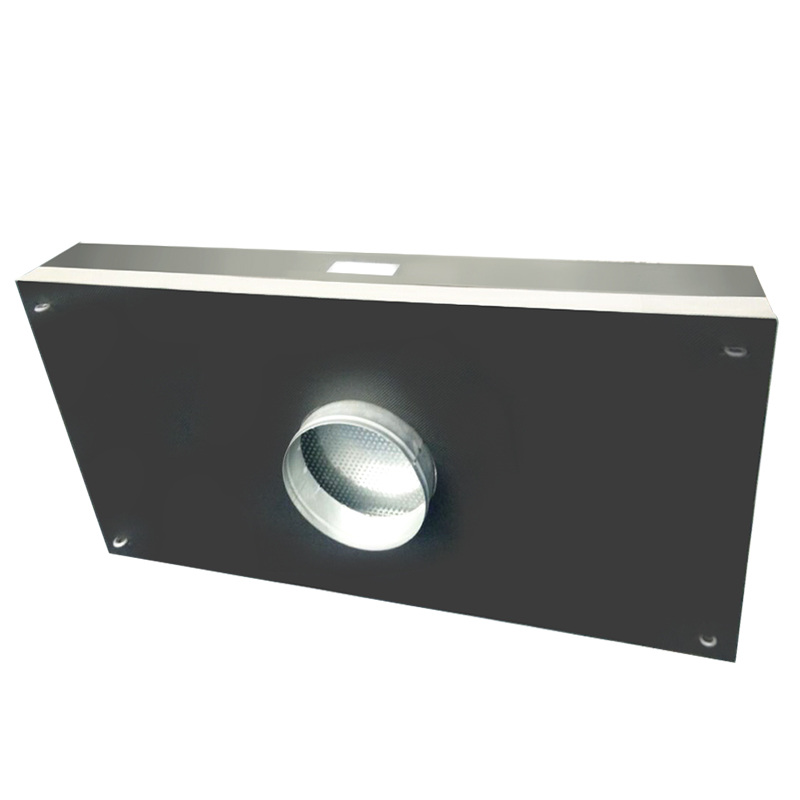
FFUs and ceiling HEPA modules provide filtered air to designated laboratory areas. Filter grades and airflow arrangements are selected according to application needs and facility design.

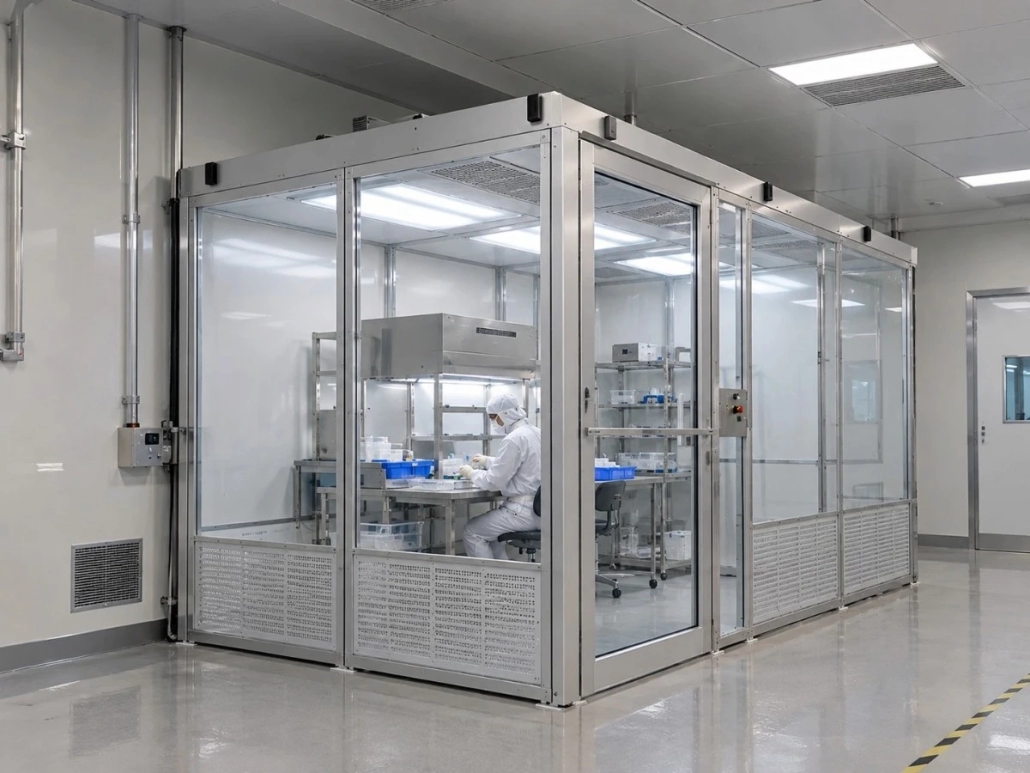
Hard-wall clean booth with rigid enclosure panels and access doors

Modular Clean Booth

Hard-wall and soft-wall clean booths create designated clean-air workspaces for selected laboratory activities. Configurations can be adapted to available space and airflow requirements.

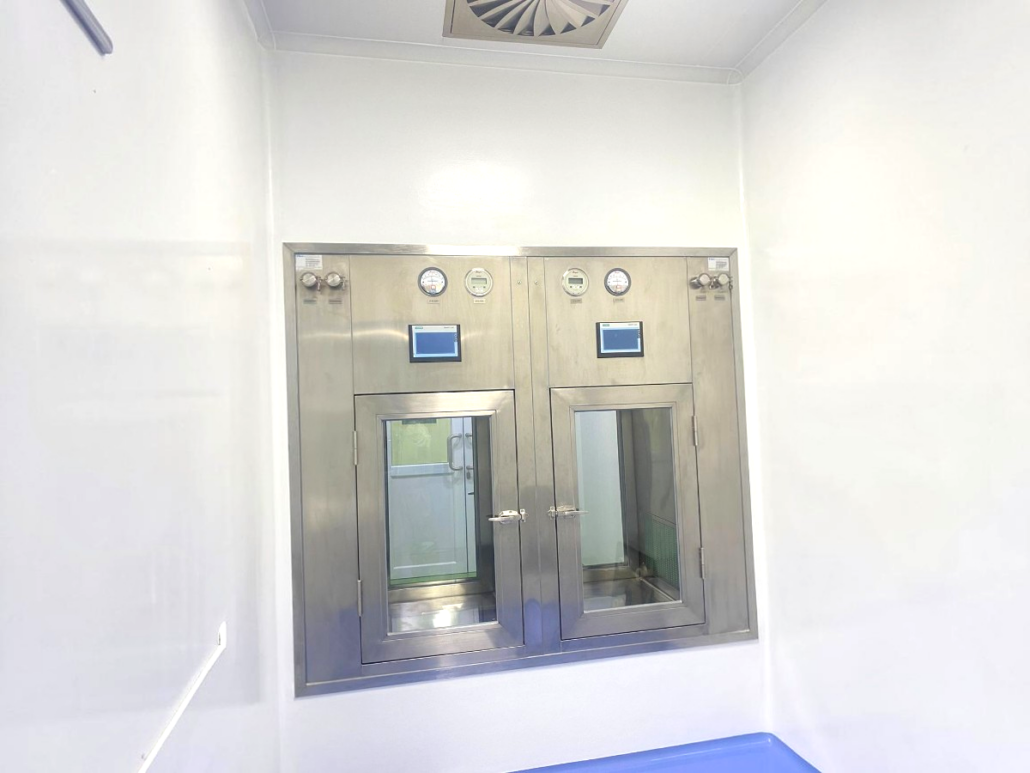
GMP Pass Box for Pharmaceutical Cleanroom

Laboratory Pass Boxes

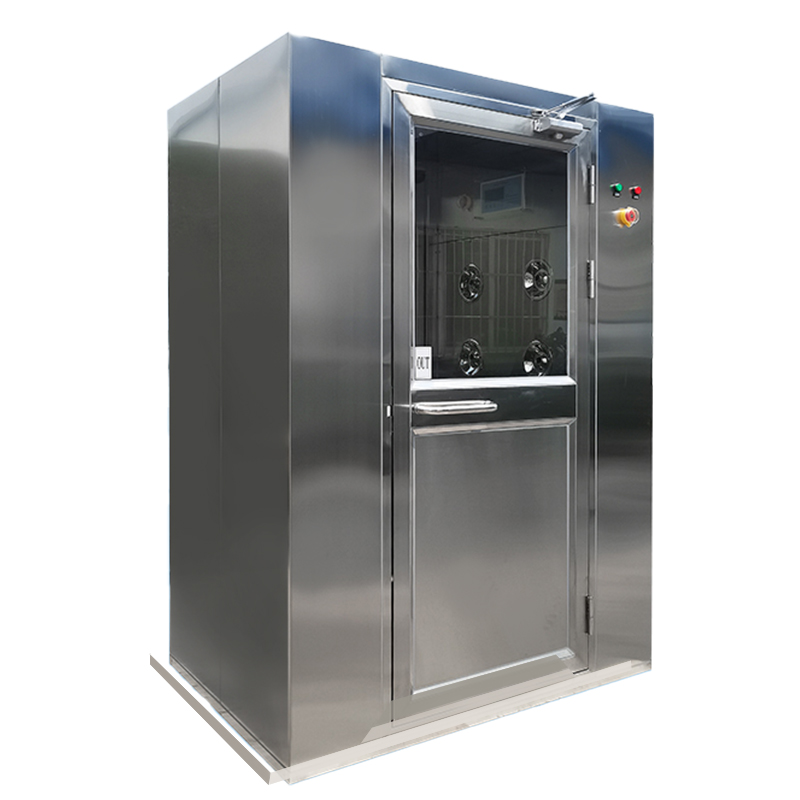
Pass boxes support the transfer of samples, tools, and supplies between designated areas. Static or dynamic configurations are selected according to transfer needs and facility layout.

Laboratory Equipment Design & Customization

Laboratory equipment must fit specific workflows, workspace dimensions, and facility requirements. Flair provides customized equipment configurations, technical drawings, and equipment-level engineering support to suit individual project needs.

01 — Workstation Dimensions & Configuration

Customize workstation dimensions, working areas, and access arrangements according to sample handling needs and available space.

02 — Airflow & Filtration Configuration

Configure airflow direction, filter grades, and fan arrangements according to equipment applications and required cleanliness.

03 — Materials & Equipment Construction

Select housing materials, work surfaces, finishes, and structural details according to operating and maintenance conditions.

04 — Technical Drawings & Project Integration

Coordinate equipment dimensions, electrical connections, installation clearances, and maintenance access with project layouts.

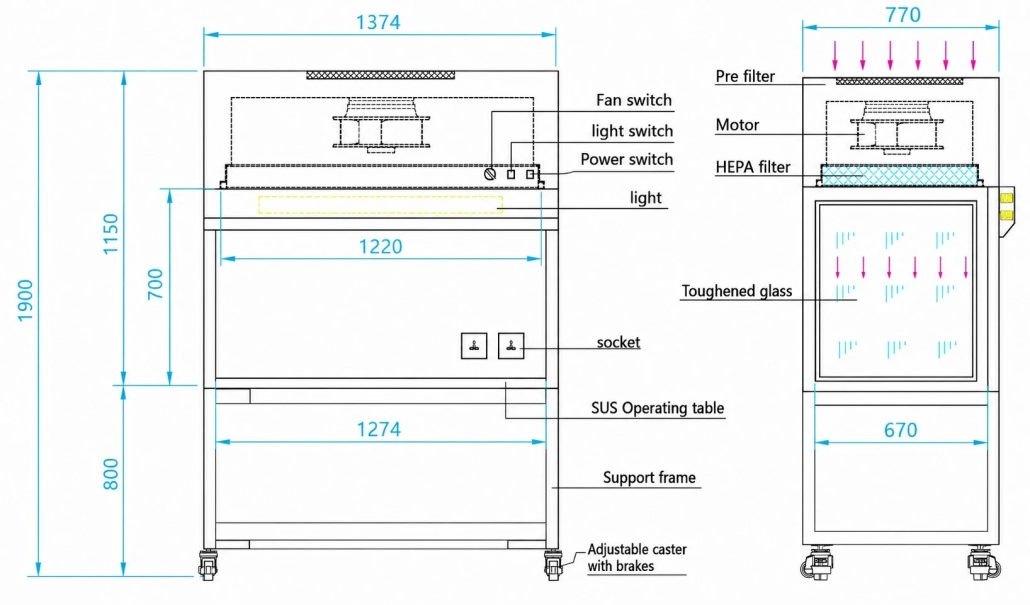
Vertical laminar flow clean bench drawing

Laboratory Cleanroom Equipment FAQs

Find answers to common questions about laboratory cleanroom equipment, laminar flow clean benches, air filtration, clean booths, and material transfer solutions.

No. Cleanroom requirements depend on the laboratory activities, sample sensitivity, process conditions, and applicable requirements. Some applications may only need localized clean-air workstations or designated controlled areas rather than a fully classified cleanroom.

Horizontal flow benches direct HEPA-filtered air across the work surface from the rear toward the operator, while vertical flow benches direct filtered air downward from above. The selection depends on sample positioning, handling procedures, and workstation layout.

No. Standard laminar flow clean benches are primarily designed to protect exposed samples from airborne particles, not to protect operators from hazardous materials. Biological safety cabinets or chemical fume hoods should be selected when personnel protection or hazardous material containment is required.

HEPA filters are commonly used in laminar flow clean benches, FFUs, and ceiling filter modules. Filter grades and airflow configurations should be selected according to the required air cleanliness, equipment design, and application.

A clean bench provides localized clean air over a specific working area, while a clean booth creates a larger designated clean-air workspace. The choice depends on the number of workstations, process requirements, available space, and required environmental conditions.

Pass boxes support the transfer of samples, tools, and laboratory supplies between designated areas while limiting unnecessary personnel movement. Static or dynamic configurations can be selected according to transfer requirements and facility layout. Pass boxes do not replace material cleaning or decontamination procedures.

Useful information includes the intended application, sample or material dimensions, workstation requirements, available installation space, preferred airflow direction, required filtration level, utility connections, and project layout drawings. These details help determine suitable equipment configurations and customization options.

Discuss Your Laboratory Equipment Requirements

Planning a laboratory cleanroom project? Share your application, workspace dimensions, and equipment requirements. Flair can help review suitable equipment configurations and provide project-specific technical support.

Copyright © 2018 - 2026 Shenzhen Flair Equipment Co., Ltd.