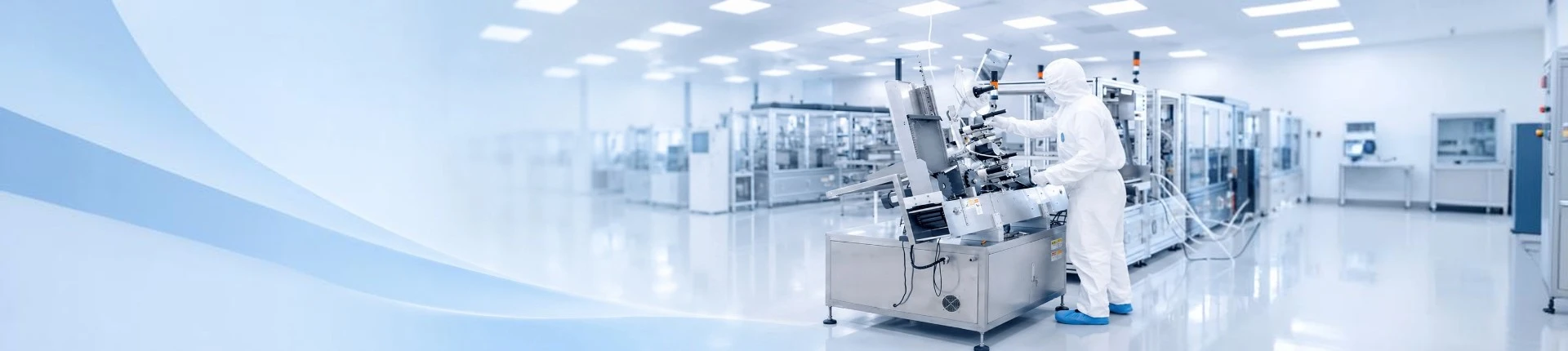
• Semiconductor & Electronics Cleanroom Solutions

    Semiconductor and electronics manufacturing require controlled environments to limit airborne particle contamination around sensitive wafers, chips, and electronic components.

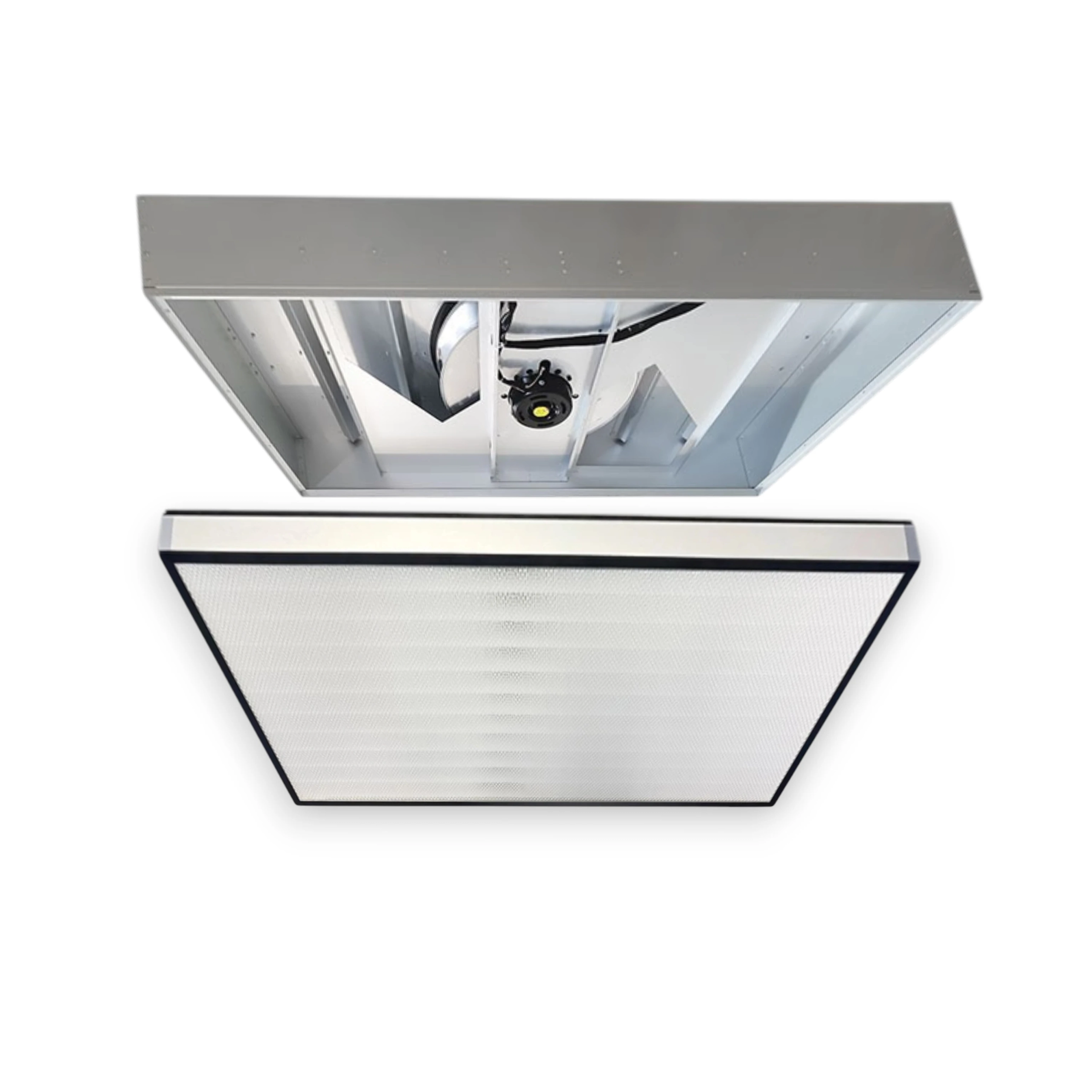
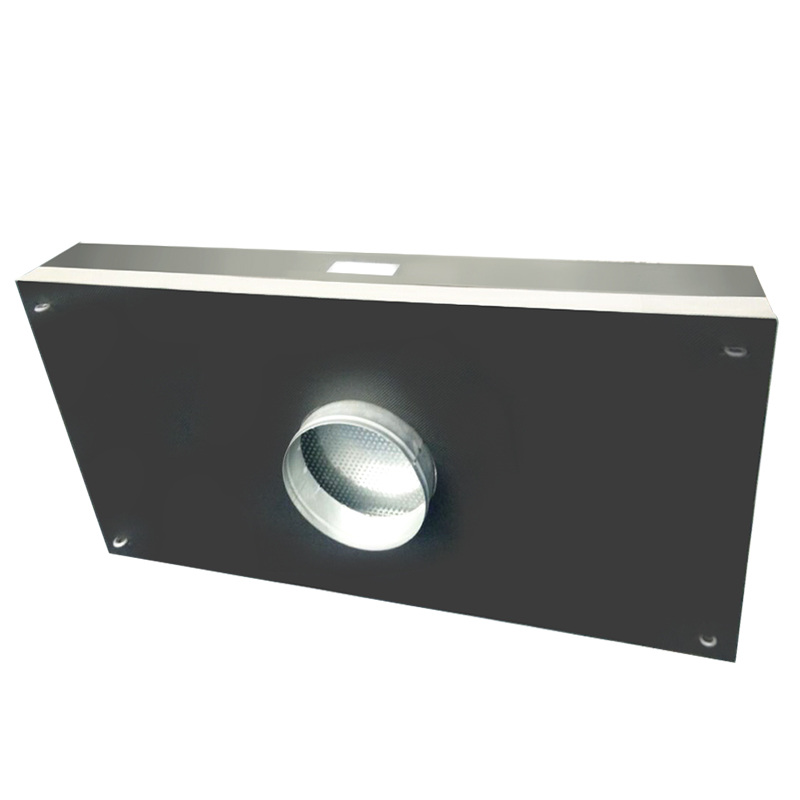
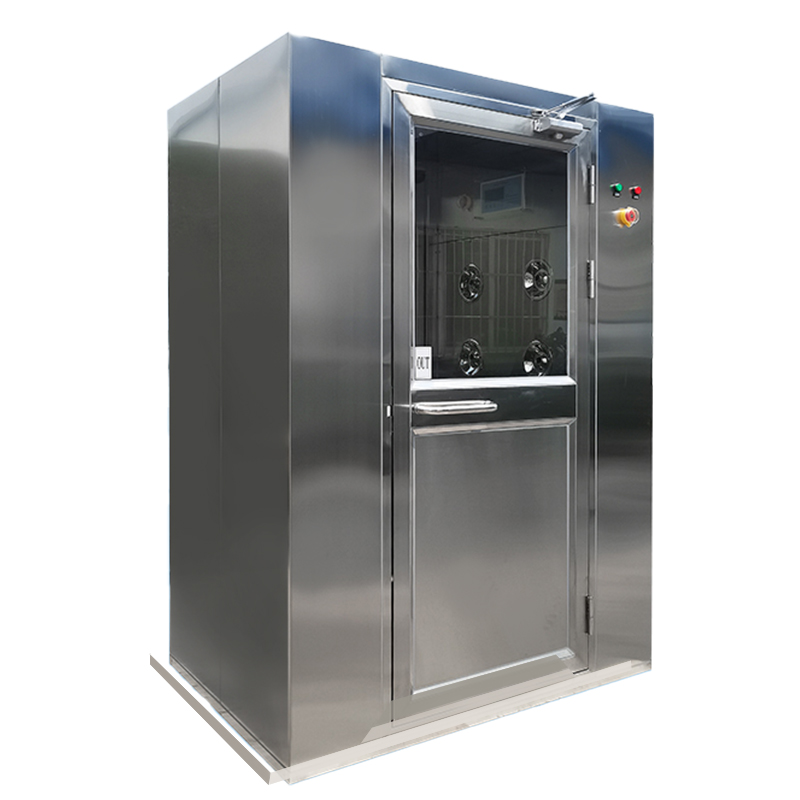
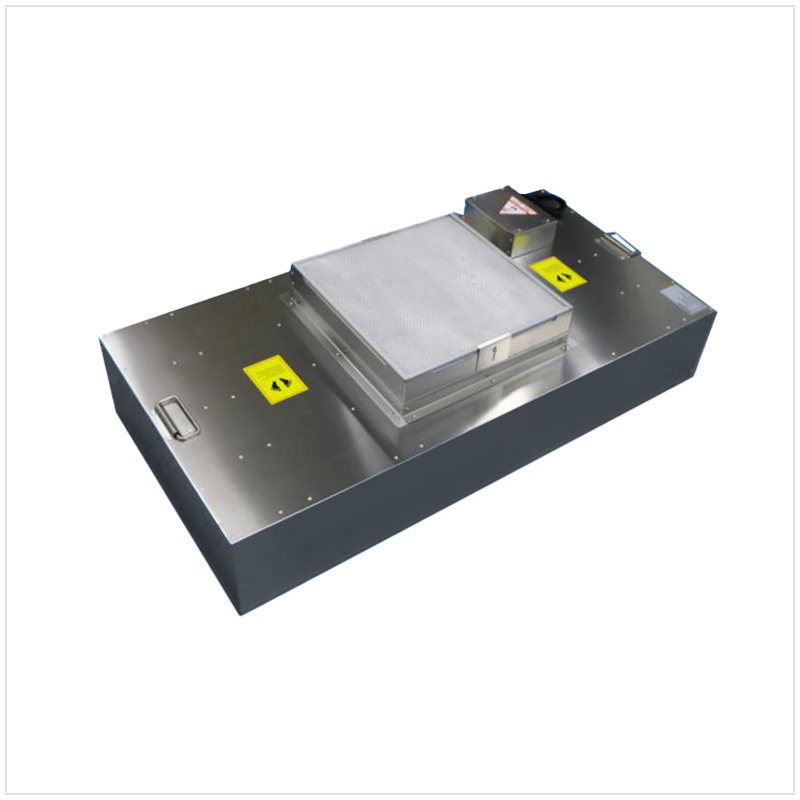
    Flair supplies FFUs, ceiling HEPA filter modules, air filters, air showers, pass boxes, and localized clean-air equipment. We also support project-specific equipment selection, customization, and technical coordination.

    Discuss Your Cleanroom Requirements

Air Cleanliness Challenges in Semiconductor & Electronics Manufacturing

Semiconductor and electronics manufacturing involve sensitive wafers, chips, and electronic components that can be affected by airborne particulate contamination. Contamination risks vary across production processes, making appropriate air cleanliness and contamination control important in selected manufacturing areas.
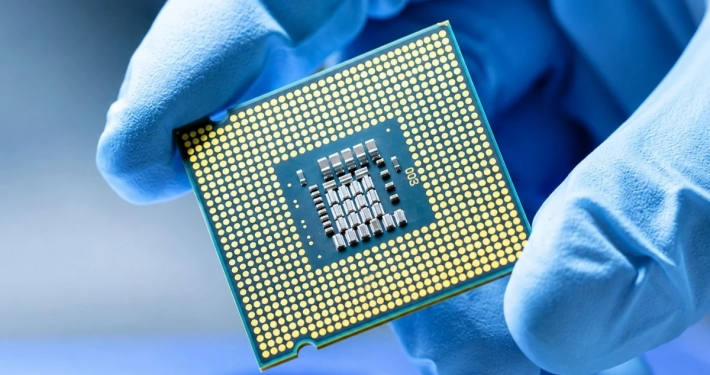
Semiconductor Manufacturing

Semiconductor Manufacturing

  • Airborne Particle Contamination: Particles can deposit on exposed wafer surfaces and sensitive semiconductor components, potentially affecting product quality and process reliability.
  • Process-Specific Cleanliness: Wafer fabrication, inspection, assembly, and packaging involve different contamination risks and cleanliness requirements.
  • Contamination Sources: Personnel, equipment, and material movement can introduce particles into sensitive production areas.
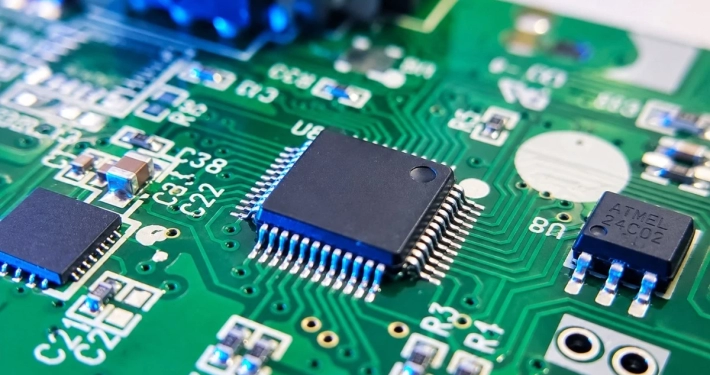
Electronics Manufacturing

Electronics Manufacturing

  • Dust & Particulate Deposition: Dust can accumulate on exposed PCBs and electronic components during handling, assembly, and inspection.
  • Component Sensitivity: Different electronic components and production processes have varying requirements for environmental cleanliness.
  • Workstation & Material Control: Personnel, tools, and incoming materials can introduce contaminants into precision assembly and testing areas.
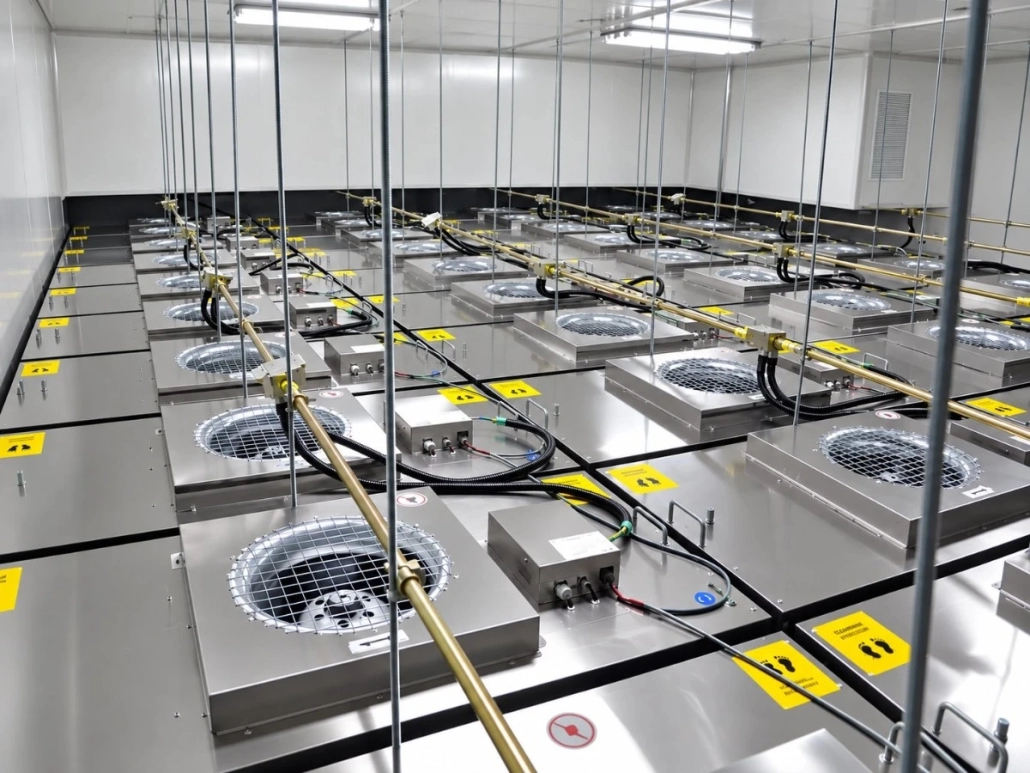
Key Cleanroom Requirements

Semiconductor and electronics production areas have different contamination-control needs. Cleanroom equipment and configurations should be matched to each area’s cleanliness targets, process conditions, personnel and material movement, and maintenance requirements.

01

Air Filtration & Airflow Control

Filtered-air supply and appropriate filtration help control airborne particles in production areas. Filter efficiency, airflow volume, and ceiling coverage should match the required cleanliness level and facility design.

02

Localized ISO Class 5 Clean Zones

Selected precision processes may require localized ISO Class 5 work zones. Laminar flow equipment, clean booths, and suitable filtration can be considered where specified, with the completed zone verified under defined operating conditions.

03

Personnel & Material Control

Personnel, tools, and materials can carry particles between cleanroom areas. Air showers, pass boxes, and well-planned transfer routes help manage contamination during entry and material movement.

04

Maintenance & Service Access

Filter replacement, equipment inspection, and routine cleaning require adequate access. Maintenance space and servicing arrangements should be considered before installation to help minimize disruption to production operations.

Cleanroom Equipment Solutions for Semiconductor & Electronics

Flair provides cleanroom equipment for semiconductor and electronics manufacturing environments, supporting controlled air supply, localized clean-air protection, and personnel and material transfer. Equipment configurations can be selected and customized according to production requirements, facility layouts, and installation conditions.

FFU Centralized Control Systems

01. Cleanroom Airflow & Filtration

Filtered-air supply and suitable ceiling coverage help control airborne particles in wafer processing and inspection areas. Equipment selection should reflect airflow needs, filter specifications, and the overall air-handling design.

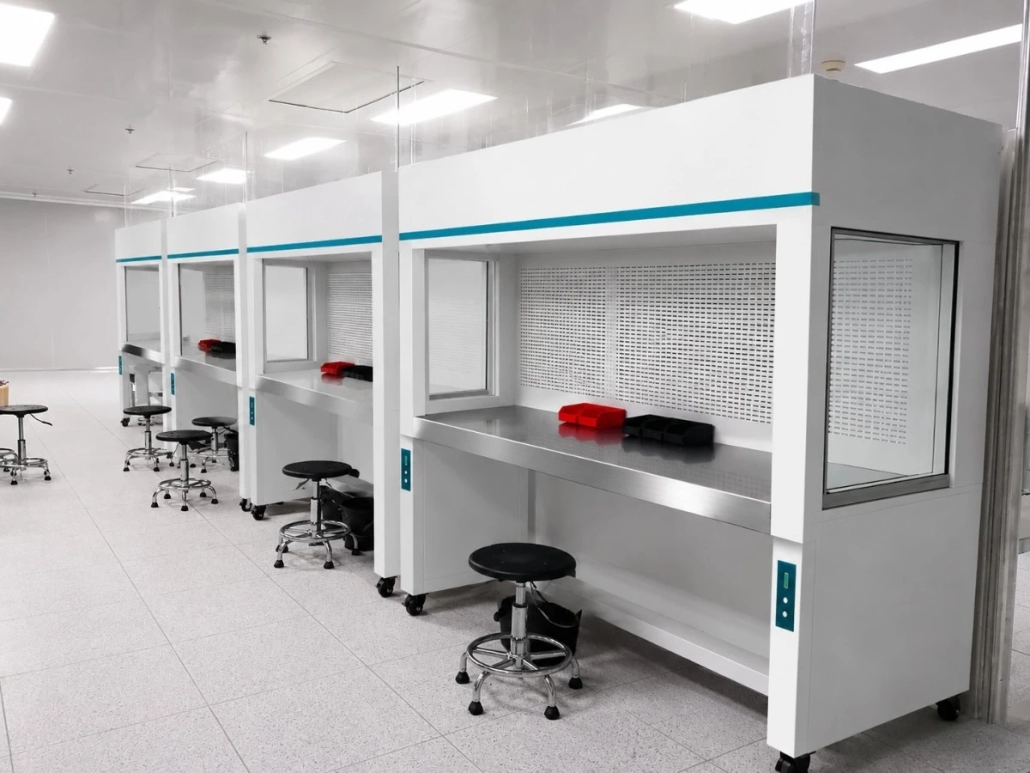
clean-bench for Electronics & Precision Assembly

02. Localized Clean-Air Protection

Some precision assembly and inspection tasks need localized protection for exposed components or workstations. Laminar flow equipment and clean booths can provide filtered-air zones where suitable for the process.

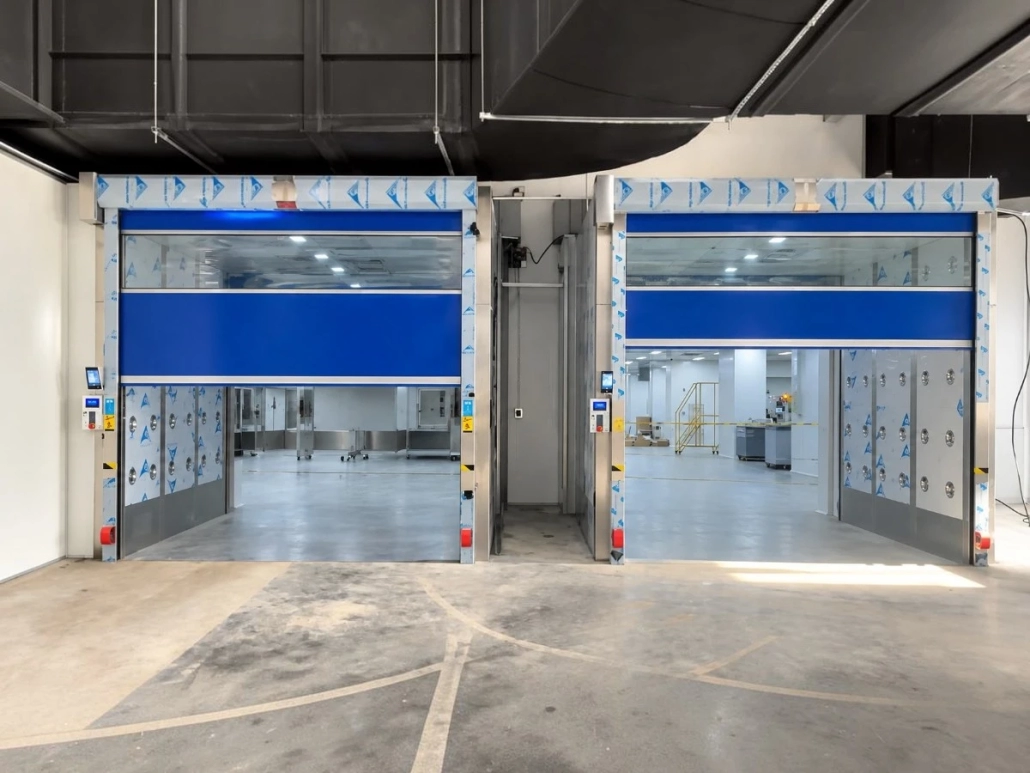
High-Speed Roll-up Door Cargo Air Shower for Semiconductor & Electronics

03. Personnel & Material Transfer

Personnel, tools, and materials can introduce particles into controlled areas. Air showers and pass boxes help manage contamination at designated personnel and material transfer points.

Equipment Applications & Customization

Selected Equipment Applications

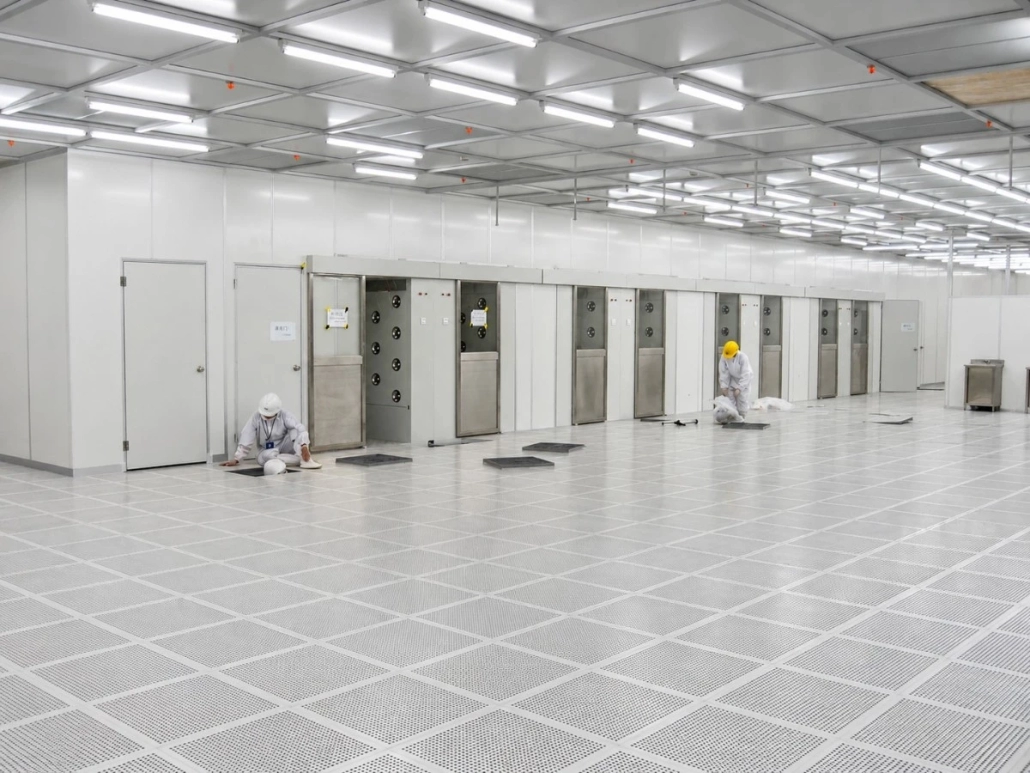
Multi Air shower Tunnels for Semiconductor & Electronics

Cleanroom Entry & Personnel Decontamination

Cleanroom entry systems help manage particle contamination associated with personnel movement. Flair supplied air shower equipment in configurations designed to suit different entrance layouts and operational requirements.

Supplied Equipment: Personnel Air Showers · Cargo Air Showers · Customized Air Shower Systems

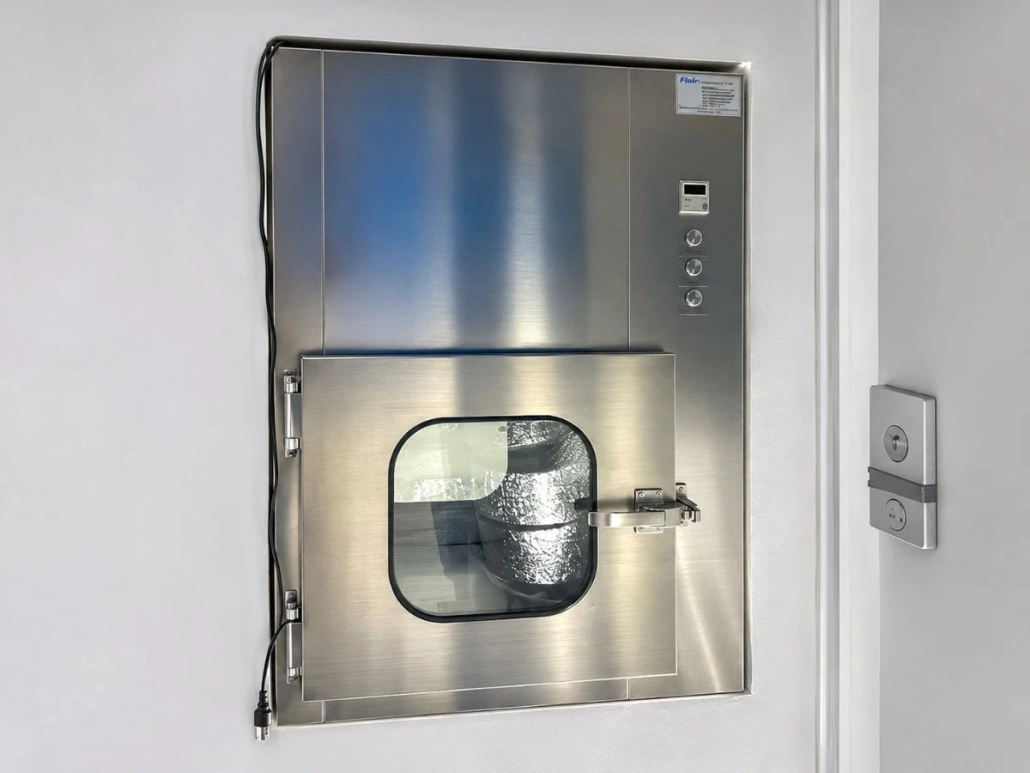
Material Transfer & Pass Box Systems

Material Transfer & Pass-Through Systems

Pass-through systems support the controlled movement of materials between cleanroom areas and adjacent spaces. Different configurations can be selected according to opening dimensions, installation conditions, and transfer requirements.

Supplied Equipment: Static Pass Boxes · Dynamic Pass Boxes · Customized Pass-Through Systems

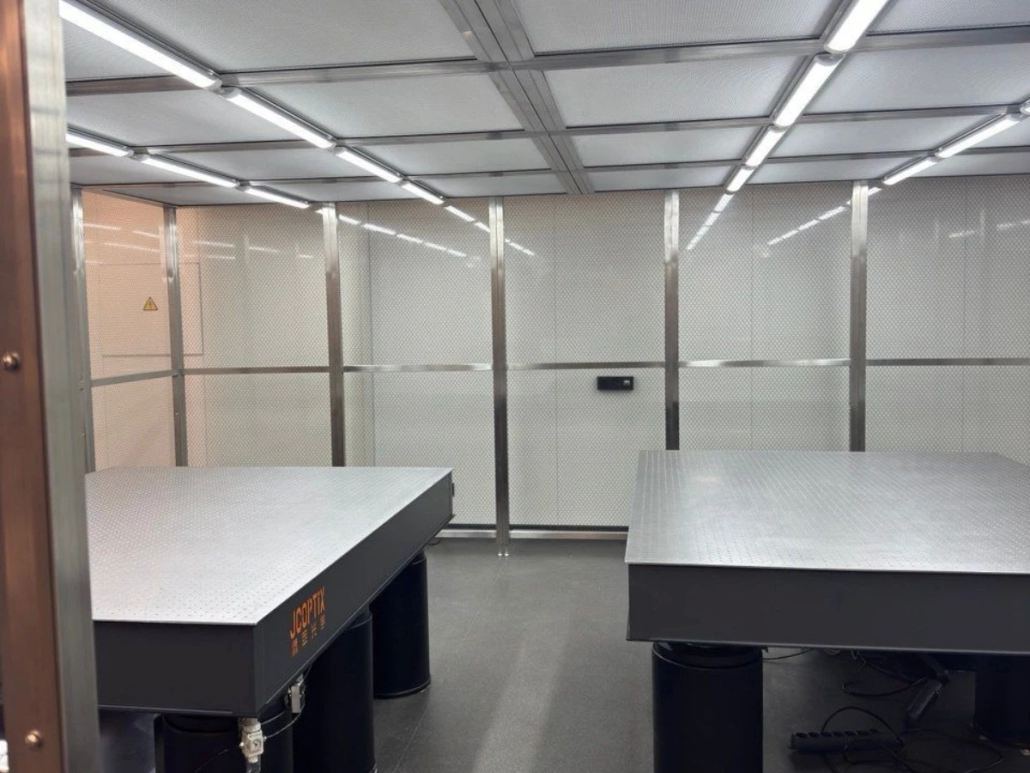
Hard Wall Clean Booth for Electronics & Semiconductor

Controlled Work Areas & Modular Enclosures

Modular enclosures help define controlled work areas for selected manufacturing operations. Their structural layout, filtration equipment, and access arrangements can be coordinated according to available space and process requirements.

Supplied Equipment: Clean Booths · Modular Enclosures · Air Filtration Equipment

Customization Capabilities

Beyond standard product models, selected equipment can be adapted to project-specific dimensions, materials, filtration options, control requirements, and installation conditions.

01. Equipment Dimensions & Construction

Flair can customize equipment dimensions, housing materials, and structural details to suit application needs, available space, and installation conditions.

02. Filtration & Airflow Options

Customers can specify filter types, filtration grades, fan arrangements, and airflow options based on the equipment model and project requirements.

03. Electrical & Control Configurations

Power supply, control functions, operating interfaces, and door interlocks can be specified according to the selected equipment and operational requirements.

Installation Interfaces & Maintenance Access

Before production, Flair can review mounting details, ceiling or wall openings, duct connections, and filter-replacement clearances.

FAQs

Find answers to common questions about cleanroom equipment selection for semiconductor and electronics manufacturing. Learn more about cleanliness requirements, filtration configurations, equipment customization, and project specifications.

Cleanroom classification requirements depend on the specific manufacturing process, product sensitivity, and contamination control objectives. Wafer fabrication, inspection, assembly, and electronics production may have different cleanliness requirements, even within the same facility.

The required ISO cleanroom classification should be established according to the process risk assessment and overall facility design. Filtration efficiency, air change rates, airflow patterns, personnel movement, and material transfer arrangements all contribute to maintaining the required environmental conditions.

Flair supports project-specific cleanroom equipment selection and filtration configurations based on the cleanliness targets and technical requirements provided for each production area. Final room classification must be evaluated and verified as part of the complete cleanroom system.

Yes. Different production processes have different contamination risks and airflow requirements. For example, wafer processing and inspection areas may require carefully controlled filtered-air coverage, while selected assembly and packaging operations may benefit from additional localized clean-air protection.

Filtration configurations should consider the target cleanliness level, required airflow volume, filter efficiency, pressure drop, ceiling arrangement, and the overall HVAC design. Depending on the application, configurations may include FFUs, ceiling HEPA filter modules, HEPA filters, or ULPA filters.

The appropriate filtration arrangement should be determined for each production area rather than applying the same equipment configuration throughout the facility.

FFUs (Fan Filter Units) are self-contained units that typically combine a fan, filtration components, and a housing to supply filtered air directly into a cleanroom. They are commonly used in ceiling-mounted configurations and can be arranged to provide distributed filtered-air coverage.

Ceiling HEPA filter modules generally provide terminal filtration at the ceiling and, in typical configurations, receive air from an external air-handling or ducted supply system rather than using an integral fan.

The selection depends on the cleanroom airflow design, available ceiling space, required airflow volume, filter specifications, pressure drop, control requirements, and maintenance access. The two arrangements serve different system configurations and should be selected according to the overall facility design.

Personnel and incoming materials can introduce particles into controlled production areas. Appropriate entry and transfer equipment helps manage contamination risks at designated access points.

Air showers are commonly installed at personnel or material entrances to remove loose particles from garments and exposed surfaces using filtered high-velocity air jets. Pass boxes provide designated transfer routes for materials between different cleanroom areas or between controlled and adjacent spaces.

Static or dynamic pass boxes can be selected according to the required transfer arrangement and contamination control needs. Interlocking doors, filtration options, dimensions, and installation interfaces should be considered during equipment selection.

Air showers and pass boxes support contamination control procedures but do not replace the cleanroom’s overall air filtration system or operating protocols.

Depending on the semiconductor or electronics manufacturing process, other environmental and operational factors may also need to be considered. These can include temperature and relative humidity, electrostatic discharge (ESD), airborne molecular contamination (AMC), vibration sensitivity, and equipment heat loads.

Not every production area requires the same level of environmental control. Requirements should be identified by the process and coordinated with the facility design, production equipment, and relevant environmental control systems.

When selecting cleanroom equipment, dimensions, housing materials, electrical specifications, filtration arrangements, and installation interfaces should be reviewed against these project requirements. Additional ESD, temperature, humidity, or AMC control systems should be specified separately where required and within the relevant system scope.

Yes. Project-specific equipment configurations can be reviewed for both new facilities and existing production environments, subject to product design and manufacturing capabilities.

Customization options may include equipment dimensions, housing materials, filter specifications, airflow configurations, electrical requirements, control functions, door interlocks, and installation interfaces. These details can be reviewed to suit available space, existing ceiling openings, duct connections, and operational requirements.

To evaluate a customization request, it is helpful to provide equipment drawings, installation dimensions, site photographs, and relevant technical specifications. Feasibility should be confirmed before finalizing the equipment configuration.

To prepare a suitable quotation, the following information is helpful:

  • Equipment type and required quantity.
  • Equipment dimensions and installation arrangement.
  • Target cleanliness requirements and applicable filtration specifications.
  • Required airflow volume or operating conditions, where applicable.
  • Housing material and construction requirements.
  • Electrical supply, control functions, and interlocking requirements.
  • Ceiling, duct, wall, or other installation interface details.
  • Project location, delivery requirements, and expected schedule.

Equipment layouts, technical drawings, specifications, or site photographs can also help clarify project conditions and reduce uncertainty during equipment selection.

If some technical details have not yet been finalized, preliminary drawings and a description of the intended application are still useful for an initial review.

Discuss Your Semiconductor & Electronics Cleanroom Requirements

Tell us about your production environment, equipment requirements, and project specifications. Our team can review your needs and support suitable cleanroom equipment selection and customization.

Copyright © 2018 - 2026 Shenzhen Flair Equipment Co., Ltd.