Let’s learn about cleanroom equipment Food & Cosmetics application,Ensuring Safety and Quality in Food & Cosmetics Manufacturing
Maintaining a contamination-free environment is crucial in the food and cosmetics industry. Even minor airborne particles or microbes can compromise product safety, reduce shelf life, and impact consumer trust. Using advanced cleanroom equipment and high-efficiency air filters is the key to achieving consistent quality.
The Role of Cleanroom Equipment
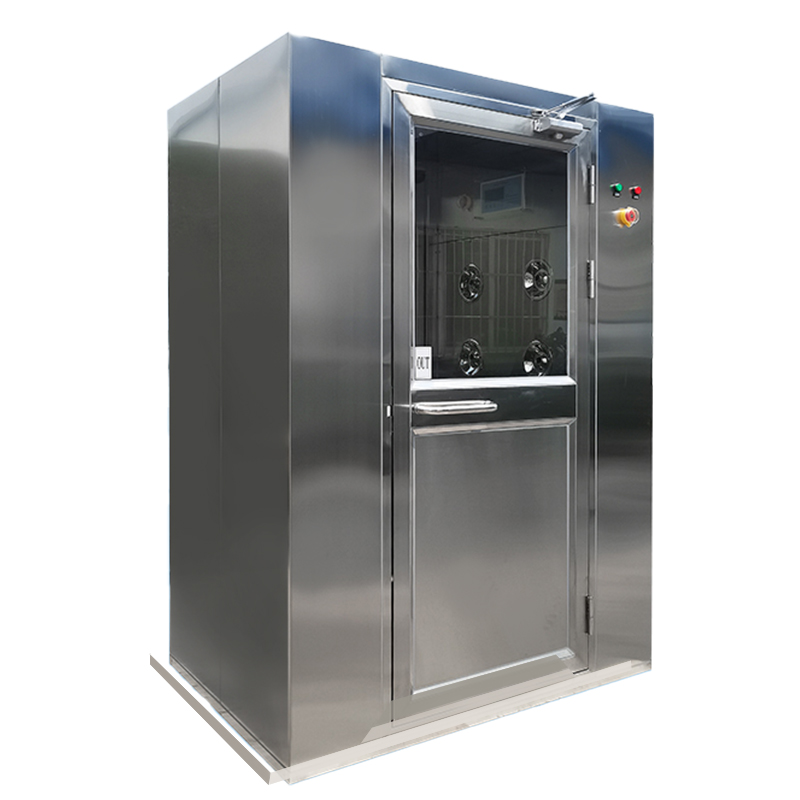
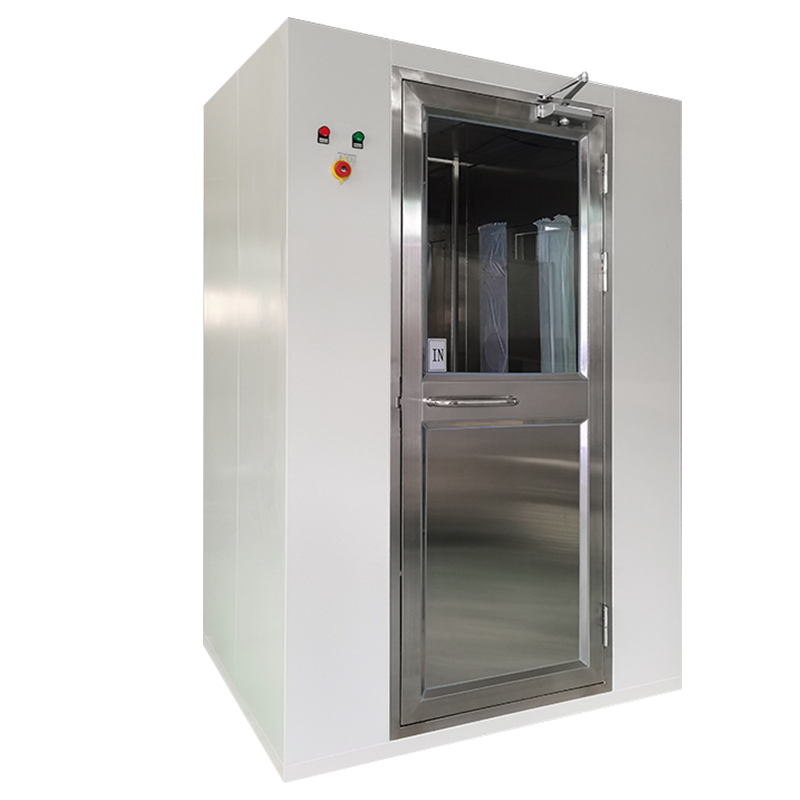
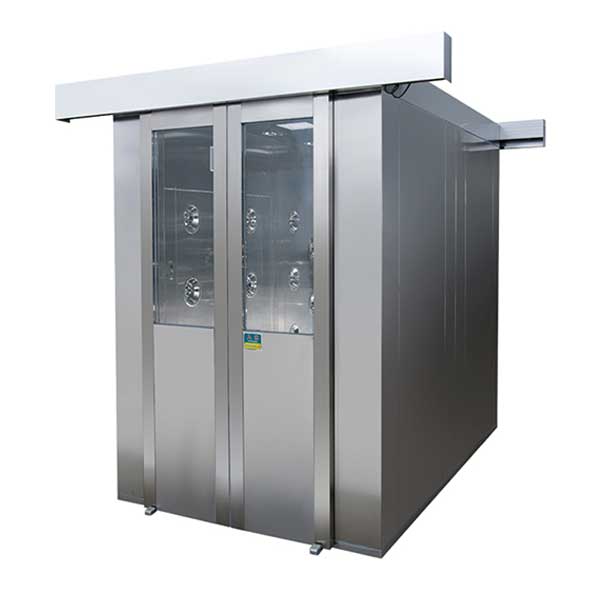
Cleanroom equipment, including Fan Filter Units (FFUs), air showers, laminar flow hoods, pass-through boxes, and clean booths, is designed to control environmental contamination. In food and cosmetics production, these systems help maintain strict cleanliness levels by:
-
Reducing particulate matter in production areas.
-
Minimizing human contamination through personnel air showers.
-
Preventing cross-contamination between clean zones with pass-through boxes.
-
Ensuring controlled airflow for sensitive processes using laminar flow hoods.
Air Filters: The Backbone of Contamination Control
Air filters, particularly HEPA and ULPA filters, are essential for trapping microscopic particles, bacteria, and other contaminants. In food and cosmetics facilities:
-
HEPA filters capture particles as small as 0.3 microns, maintaining a contamination-free environment.
-
ULPA filters offer ultra-fine filtration, ideal for high-sensitivity operations like cosmetic creams or sterile food products.
-
Pre-filters extend the life of main filters by capturing larger dust particles.
Effects on Product Quality and Compliance
Implementing proper cleanroom equipment and air filtration systems has a direct impact on operational excellence:
-
Enhanced Product Safety: Reduces the risk of contamination, ensuring products meet safety standards.
-
Regulatory Compliance: Helps facilities comply with ISO 14644, GMP, and local food safety regulations.
-
Consistent Quality: Minimizes batch-to-batch variability caused by environmental contamination.
-
Extended Shelf Life: Lower microbial contamination improves the durability and stability of products.
-
Operational Efficiency: Optimized airflow and filtration reduce downtime caused by cleaning and rework.
Conclusion
For food and cosmetics manufacturers, investing in cleanroom equipment and high-performance air filters is not just about meeting regulations—it is about guaranteeing product integrity and building consumer trust. Advanced air filtration and contamination control systems ensure that every batch produced meets the highest standards of quality and safety.