• Contamination Control Solutions

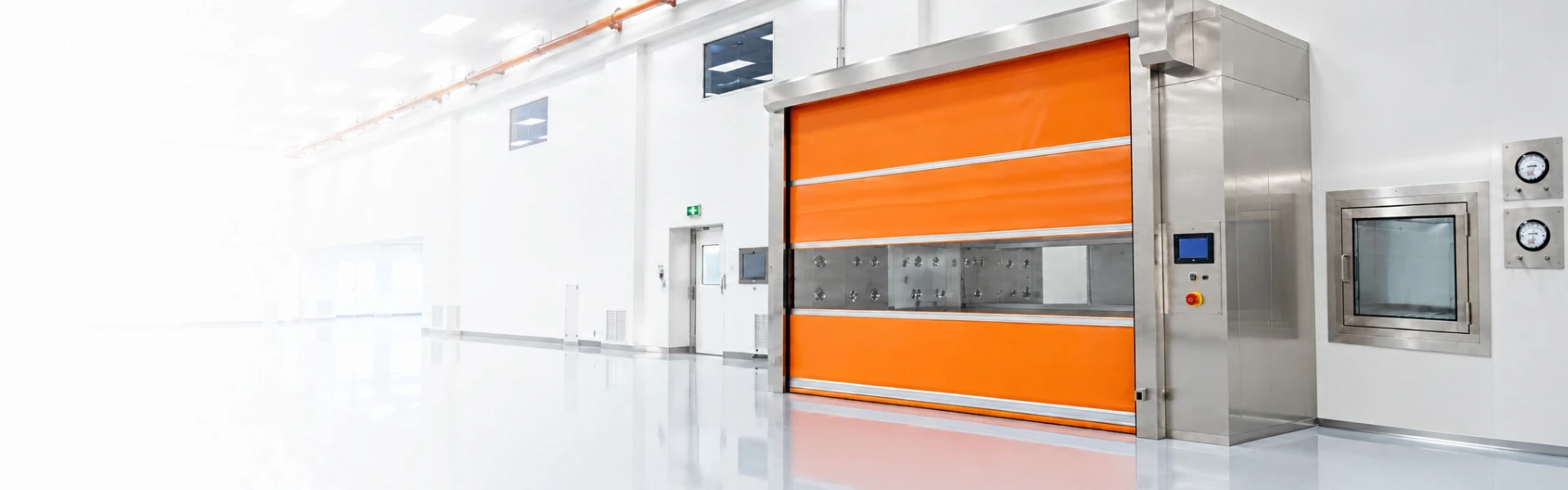
    Flair supplies air showers, pass boxes, and cleanroom equipment to support controlled personnel and material transfer, helping project teams address contamination risks at cleanroom boundaries.

    Discuss Your Project
    Contamination Control Solution

Contamination Control Solutions for Different Cleanroom Needs

Contamination control requirements vary with personnel movement, material transfer, process conditions, and cleanroom layout. Flair supplies equipment to help project teams manage cleanroom entry, controlled material transfer, and localized clean-zone requirements.
Personnel & Material Decontamination solution feature

01. Personnel & Material Decontamination

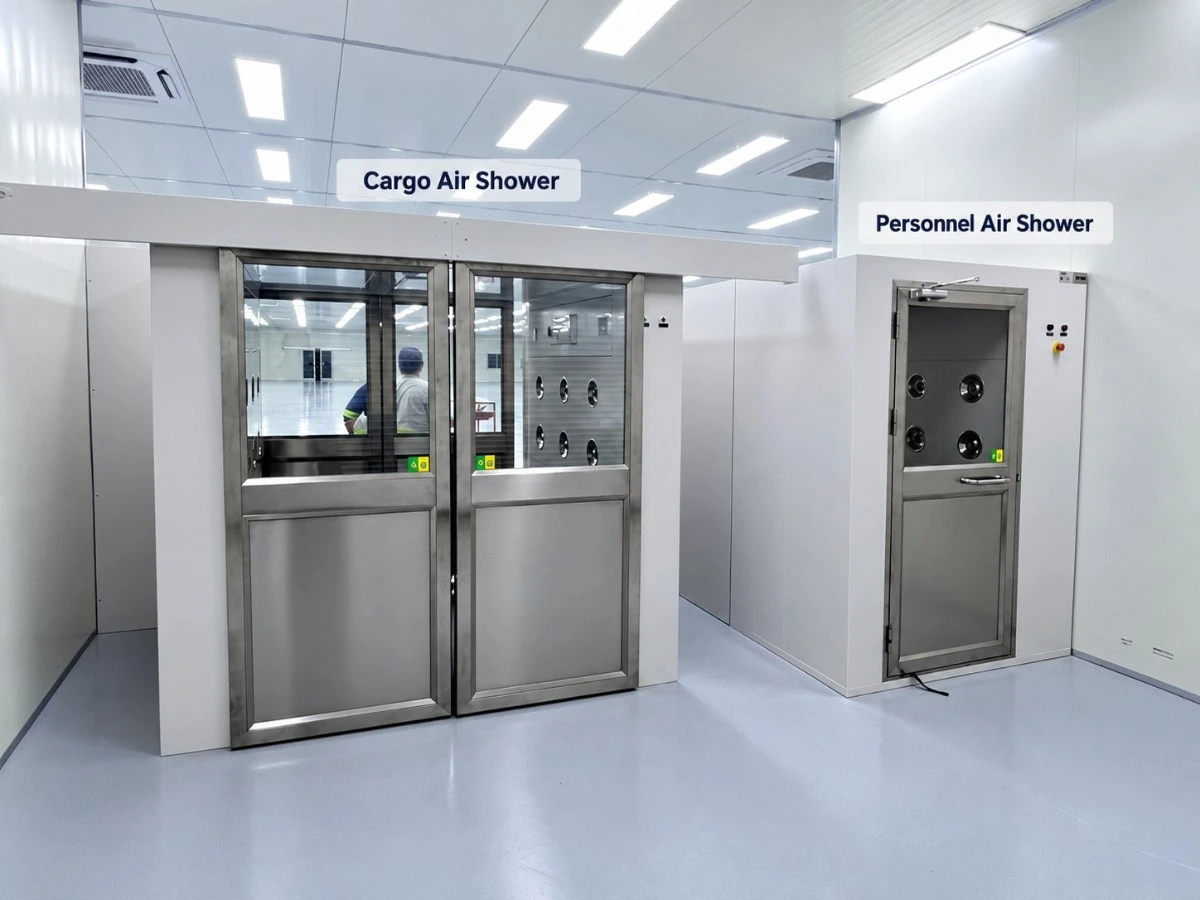
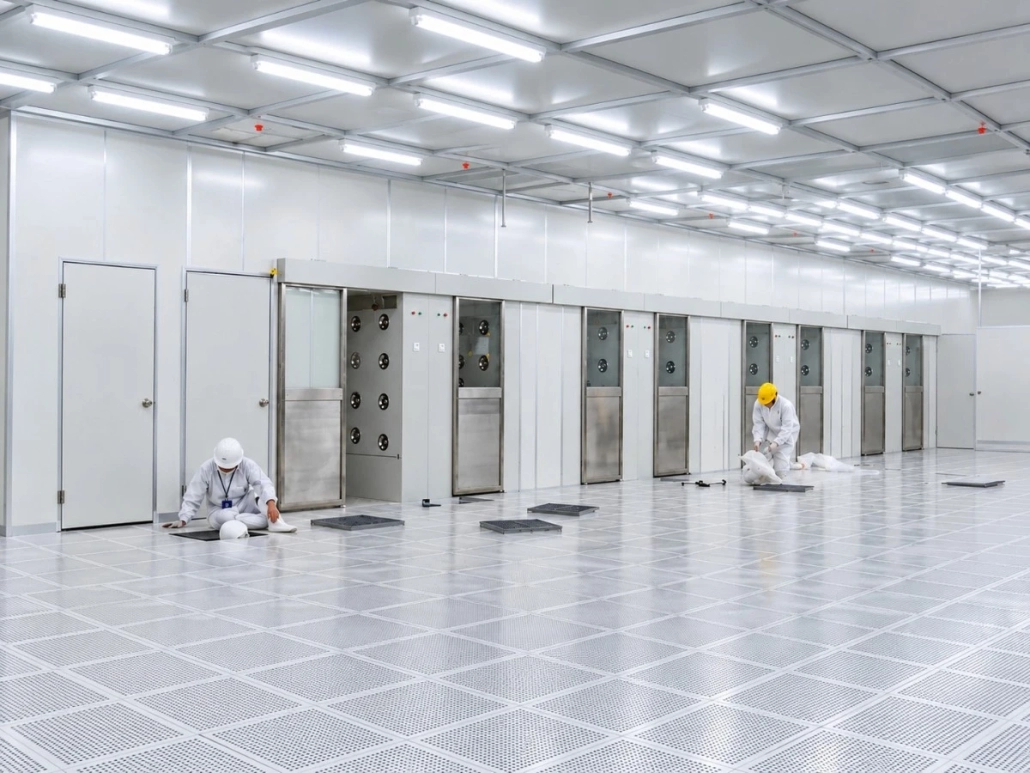
Air showers use directed high-velocity air to help remove particles from personnel or materials before they enter designated cleanroom areas. The suitable configuration depends on the application, chamber dimensions, access requirements, and project specifications.

Equipment options

Personnel Air Showers · Cargo Air Showers · Stainless Steel Air Showers
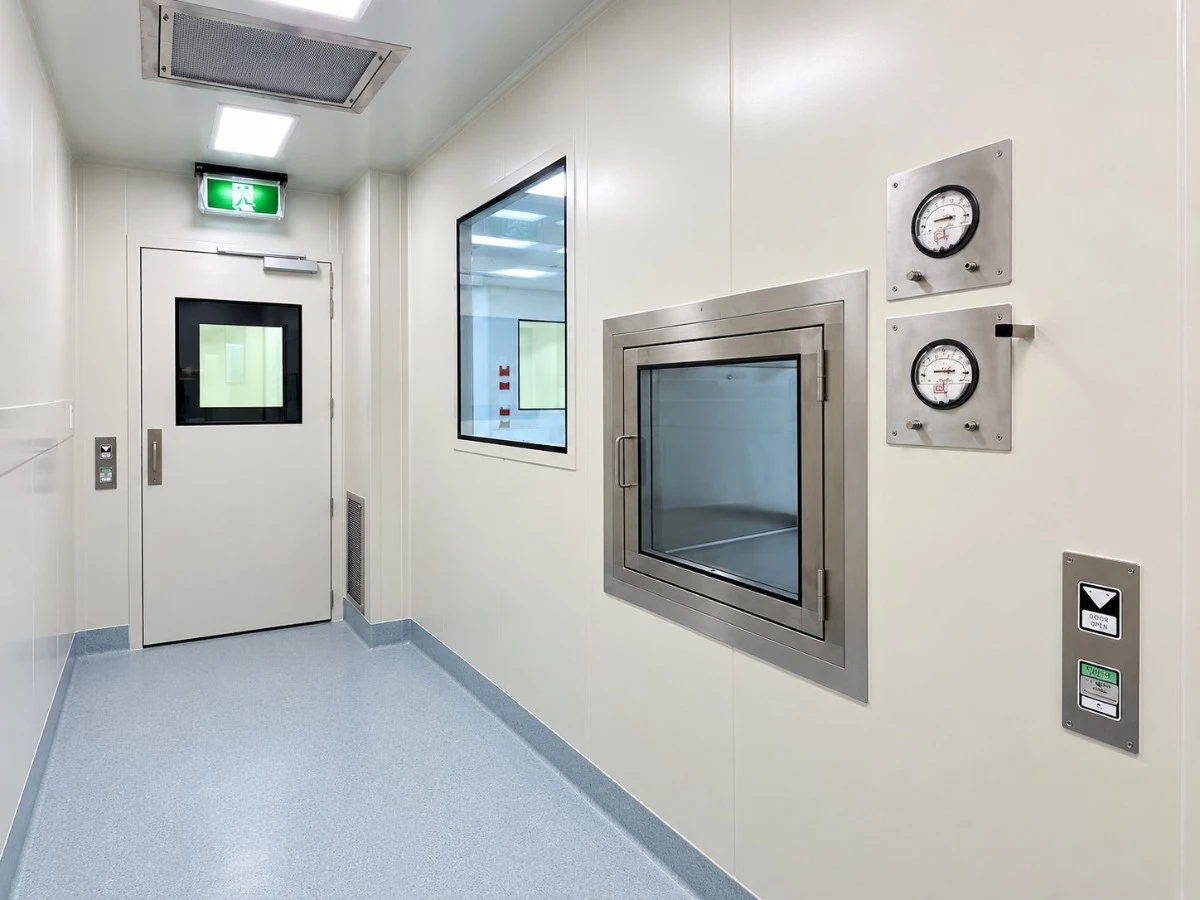
Stainless steel pass box installed in a cleanroom wall

02. Controlled Material Transfer

Pass boxes provide a designated transfer point for materials moving between cleanroom areas. Depending on the application and selected model, options may include static or dynamic configurations, door interlocks, and specified airflow or filtration features.

Equipment options

Static Pass Boxes · Dynamic Pass Boxes · Pass Boxes with Air Showers · Laminar Flow Pass Boxes
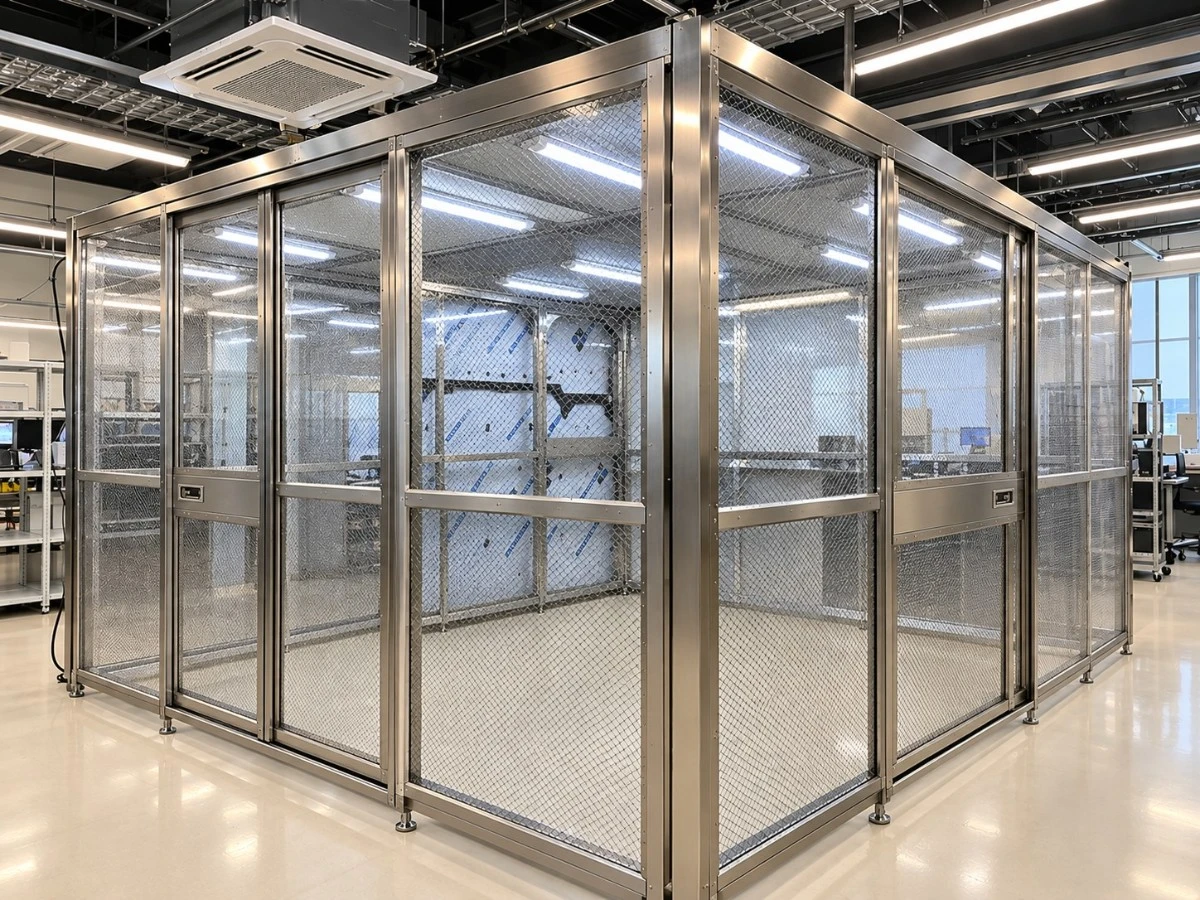
Modular cleanroom frame and enclosure structure

03. Localized Clean-Zone Enclosures

Clean booths create a defined workspace for applications requiring a localized clean environment. The enclosure, airflow equipment, and access arrangement should be selected according to the process, available space, and required cleanliness conditions.

Equipment options

Hard Wall Clean Booths · Soft Wall Clean Booths
FEATURED PRODUCT

Conveyor Pass Box for Automated Material Transfer

Conveyor pass boxes support controlled material transfer between designated areas and can integrate with compatible conveyor systems. Depending on the selected configuration, door interlocking and control sequences can be coordinated with the material-handling process.

Key Considerations for Contamination Control

Effective contamination control depends on personnel movement, material transfer procedures, cleanroom boundaries, and equipment maintenance. Project teams should consider these factors when selecting equipment for their cleanroom layout and process requirements.

1. Personnel & Material Flow

Determine how personnel and materials enter, leave, and move between cleanroom areas. The flow of people and goods helps identify where air showers, pass boxes, or other transfer equipment may be needed.

2. Transfer Points & Door Interlocking

Review transfer locations, door arrangements, and access requirements. Where specified, compatible interlocking configurations can help prevent two pass-box doors from being opened simultaneously.

3. Cleanroom Boundaries & Zoning

Identify the boundaries between areas with different cleanliness requirements. Equipment placement, enclosure design, access points, and applicable pressure relationships should be coordinated with the overall cleanroom design.

4. Cleaning & Maintenance Access

Consider equipment surface materials, routine cleaning procedures, filter replacement where applicable, and access for servicing. The selected configuration should suit the operating environment and maintenance requirements.

Customization & Engineering Coordination

Flair supports cleanroom contractors, EPC companies, and system integrators with contamination control equipment configurations aligned with project specifications, cleanroom layouts, and installation requirements.

01. Equipment Configuration

Depending on the selected model, options may include equipment dimensions, housing materials, door arrangements, interlocking functions, and specified airflow or filtration features. Available configurations are confirmed against the application and project requirements.

02. Drawing & Interface Coordination

Reviewing room layouts, equipment schedules, opening dimensions, and installation requirements helps clarify equipment positions, wall interfaces, access clearances, and maintenance space before production.

03. Inspection & Delivery Planning

Before production, confirm the equipment configuration, inspection requirements, and any factory testing included in the order. Flair coordinates equipment preparation, packaging, and delivery according to the confirmed project requirements.

Flair custom cleanroom equipment manufacturer

FAQs

Find answers to common questions about air showers, pass boxes, clean booths, equipment selection, and contamination control requirements for cleanroom projects.

An air shower is designed to help remove loose particles from the surfaces of personnel or materials before they enter a designated cleanroom area. It uses directed air jets, typically supplied through a filtration system, to dislodge particles from clothing or exposed material surfaces.

A pass box provides a dedicated transfer point for materials moving between cleanroom areas without requiring personnel to pass through the transfer opening. A standard static pass box does not actively clean transferred items, while selected dynamic or air-shower pass box models may include additional airflow or filtration features.

The appropriate equipment depends on whether the main requirement is personnel entry, material transfer, or additional particle control during transfer.

A static pass box provides an enclosed transfer chamber, typically without a powered internal air-supply or filtration system. It may be suitable where a dedicated transfer point and appropriate door controls meet the project’s requirements.

A dynamic pass box adds an active airflow system and may include fan-assisted filtration, depending on the selected model. This configuration can support additional airborne particle control within the transfer chamber.

The terms “static” and “dynamic” alone do not define the complete performance of a pass box. Confirm the actual airflow arrangement, filter specification, door interlocking, and intended application before selecting a model.

No. An air shower helps dislodge loose particles from surfaces, but it does not guarantee complete particle removal, sterilization, or the elimination of all contamination risks.

Its effectiveness depends on factors such as the air-jet arrangement, operating cycle, equipment condition, garments, material characteristics, and the user’s operating procedure. Personnel must still follow the cleanroom’s applicable gowning, entry, and hygiene procedures.

An air shower should therefore be treated as one part of a broader contamination-control strategy, rather than a replacement for cleaning procedures or cleanroom operational controls.

No. Pass box features depend on the selected model and agreed configuration.

Door interlocking may be mechanical or electronic and is intended, where provided, to prevent both doors from opening simultaneously. Filtration systems are generally associated with applicable dynamic configurations, while UV lamps or other optional features may be available on selected models.

These functions should not be assumed to be included in every unit. Confirm the required interlock behavior, filter specifications, optional features, power-failure behavior, and operating requirements against the manufacturer’s technical documentation before ordering.

Potentially, but suitability cannot be determined from the room classifications alone. The design review should consider the cleanliness requirements of both areas, the material being transferred, the pressure relationship, the pass box configuration, and the operating procedure.

A static pass box does not actively supply filtered air to the transfer chamber unless additional equipment is provided. A dynamic model may offer additional airflow or filtration functions, but these features do not automatically establish a validated pressure barrier or guarantee that cross-contamination will be prevented.

The project team should confirm the required transfer strategy, door controls, airflow or filtration features, and any applicable performance verification before selecting the equipment.

Not automatically. A clean booth is generally used to establish a defined local work zone with an appropriate enclosure and, where specified, suitable air-filtration equipment.

Its achievable cleanliness conditions depend on the booth configuration, filtration and airflow design, installation, surrounding environment, operating procedures, and any required performance testing. A localized clean zone does not necessarily provide the same room-wide environmental control as a fully designed cleanroom.

A clean booth may be appropriate when protection is required around a particular workstation or process. The required cleanliness conditions and their verification should be defined before the configuration is selected.

The information required depends on the equipment type and project scope. Useful details include:

  • Application: personnel entry, cargo transfer, inter-room material transfer, or localized clean-zone protection.
  • Layout and dimensions: room drawings, wall openings, available installation space, and required internal transfer dimensions.
  • Equipment requirements: equipment type, quantity, material preference, door arrangement, and any specified interlocking, airflow, or filtration features.
  • Operating conditions: cleanliness requirements of the connected areas, material or personnel flow, expected usage, and relevant site conditions.
  • Project requirements: applicable technical specifications, electrical supply, inspection requirements, and required documentation.

Existing drawings, equipment schedules, or technical specifications can help the team review the proposed configuration. If some details are not yet available, an initial inquiry can still be submitted with the information currently known.

Discuss Your Contamination Control Requirements

Planning a new cleanroom, upgrading an existing facility, or improving material transfer procedures? Share your project requirements with Flair to discuss suitable air showers, pass boxes, and clean booth options.

Copyright © 2018 - 2026 Shenzhen Flair Equipment Co., Ltd.