Cleanroom Equipment for
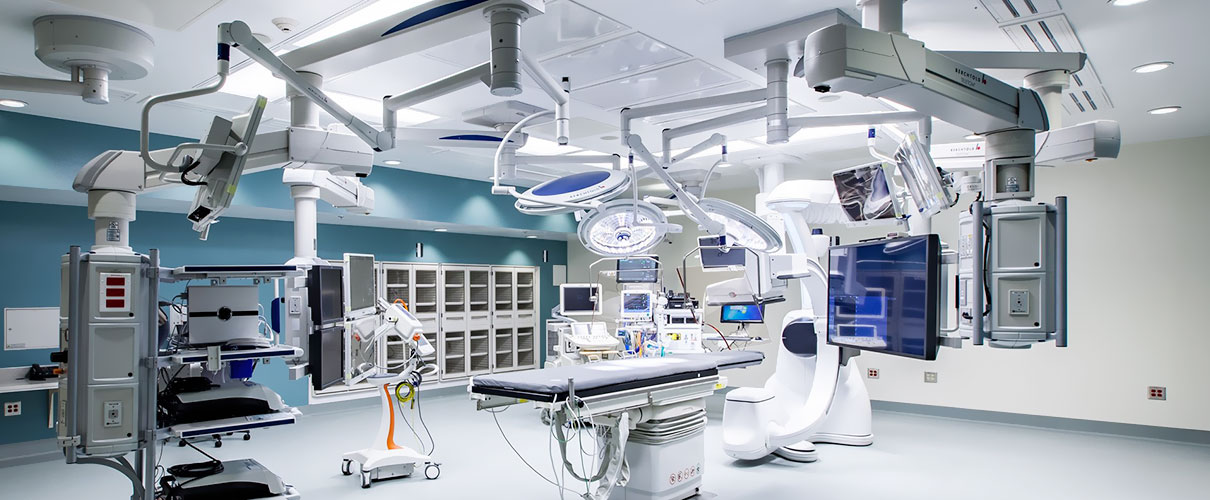
Hospitals are a dynamic environment where medical personnel work diligently to maintain a level of cleanliness to ensure patient safety. In doing so, more hospitals are utilizing clean technology to cut down on harmful airborne particles while maintaining an antimicrobial environment.
Why cleanroom is important in hospital?
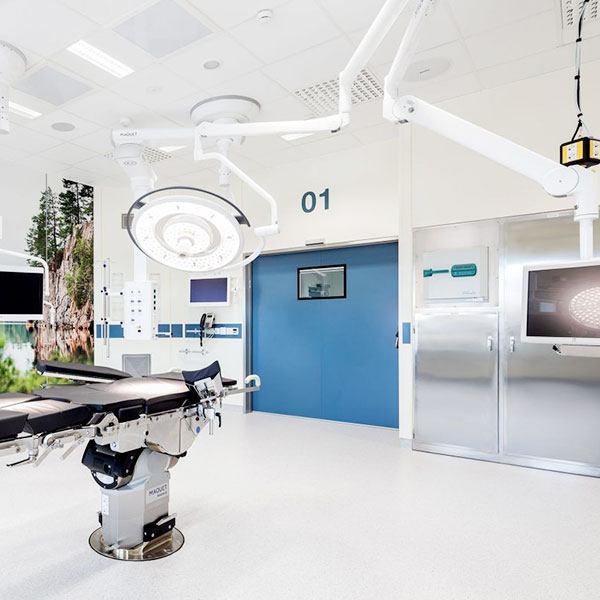
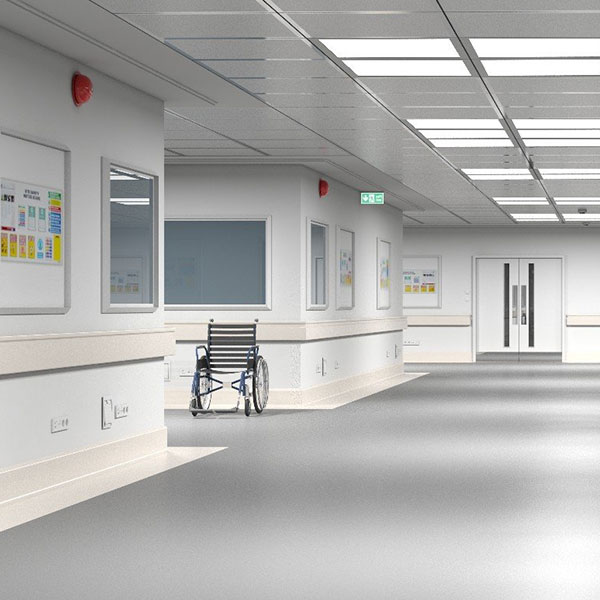
Originally, cleanrooms and controlled environments were built just for surgical suites and pharmacy units inside hospitals. With an increase in hospital-acquired infections and the changing landscape of infectious diseases like COVID-19, healthcare facilities are implementing more cleanroom technology to control contamination and stop the spread of disease.
In an ICU or OR, the enemy is often invisible. Airborne particles like dust, skin cells, respiratory droplets, and microbes (bacteria, viruses, and fungi) pose a constant threat to vulnerable patients.
-
In the OR: During surgical procedures, patients have open incisions, making them directly susceptible to Surgical Site Infections (SSIs). Airborne contaminants can settle on surgical instruments, implants, or the wound itself, leading to post-operative complications.
-
In the ICU: Patients here are critically ill, with often compromised immune systems. Their bodies are less capable of fighting off infections, and procedures like central line insertions or ventilators can create pathways for pathogens. Hospital-Acquired Infections (HAIs) like MRSA or pneumonia are a significant risk.
How Cleanroom Technology Creates a Sanctuary of Safety
Cleanroom design for hospitals focuses on controlling four key elements to mitigate these risks:
1. Superior Air Filtration (HEPA/ULPA Filters)
This is the cornerstone of the system.
-
HEPA (High-Efficiency Particulate Air) filters are standard in modern ORs and ICUs. They remove at least 99.97% of airborne particles 0.3 microns in size. This captures most bacteria and many viruses.
-
ULPA (Ultra-Low Penetration Air) filters, used in the most critical settings, are even more efficient, capturing 99.999% of particles down to 0.1 microns.
2. Controlled Airflow and Pressurization
-
Laminar Airflow: In an OR, you’ll often find laminar airflow systems directly over the surgical table. This creates a steady, “curtain” of ultra-clean air that sweeps contaminants away from the surgical site, protecting the patient and the exposed tissues.
-
Positive Pressure: Operating rooms are kept at a higher air pressure than the surrounding corridors. This means when a door is opened, clean air flows out, preventing unfiltered, contaminated air from seeping in.
We can offer these hospital cleanroom equipments: pass-through, air filter, air purifier, etc for the hospital cleanroom operating room, patient room, isolator room, ICU, etc.